
When building or upgrading a computer, most people focus on the CPU, GPU, or RAM — but few give enough attention to one of the most important components: the power supply unit (PSU). In particular, the efficiency of a PSU can have a significant impact on performance, energy consumption, heat output, and system longevity.
This is where 80 PLUS ratings come into play. In this article, we’ll explore what high-efficiency power supplies actually do, what the 80 PLUS certification means, and whether or not you really need one for your setup.

Power supply efficiency refers to how effectively a PSU converts the alternating current (AC) from your wall outlet into direct current (DC) used by your computer components. No PSU is 100% efficient — some energy is always lost as heat.
For example, if a power supply needs to deliver 400W to your system and operates at 80% efficiency, it will draw 500W from the wall (because 20% is lost as heat). A more efficient PSU (say, 90%) would only draw around 444W to deliver the same power.
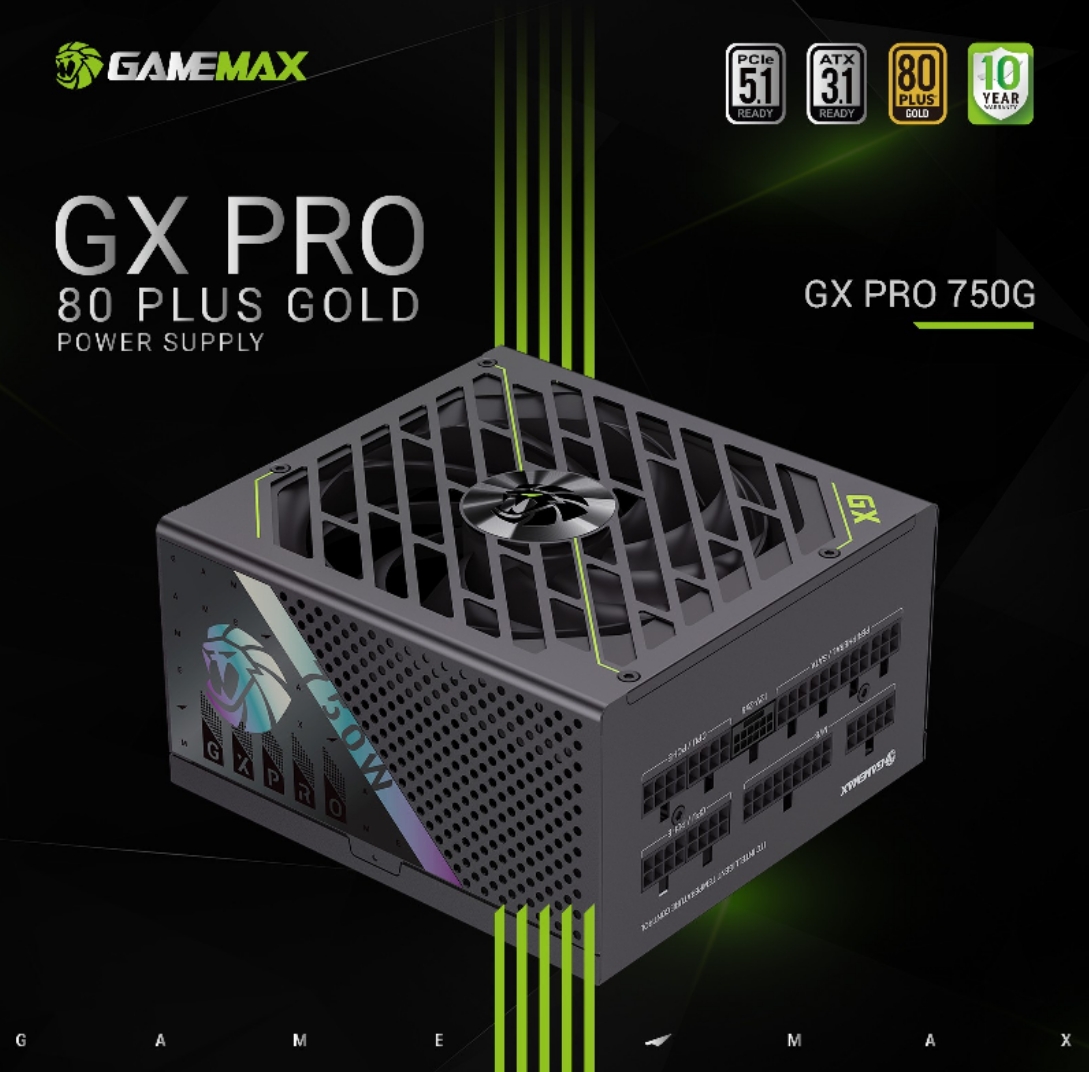
The 80 PLUS certification is an industry-standard efficiency rating system that evaluates PSUs based on their efficiency at 20%, 50%, and 100% loads. To receive any level of 80 PLUS certification, a PSU must achieve at least 80% efficiency at these loads.
Here’s a breakdown of the common levels:
| Certification | 20% Load | 50% Load | 100% Load |
|---|---|---|---|
| 80 PLUS | 80% | 80% | 80% |
| 80 PLUS Bronze | 82% | 85% | 82% |
| 80 PLUS Silver | 85% | 88% | 85% |
| 80 PLUS Gold | 87% | 90% | 87% |
| 80 PLUS Platinum | 90% | 92% | 89% |
| 80 PLUS Titanium | 92% | 94% | 90% |
The higher the rating, the less power is wasted — resulting in lower energy bills, less heat, and potentially quieter operation.
Over time, especially in systems that run 24/7 (like workstations or servers), high-efficiency PSUs save money by reducing wasted energy.
Less energy loss means less heat. This not only helps your components stay cooler but also reduces the strain on case fans, which may lead to quieter operation.
Efficient power supplies are typically built with higher-quality components and better thermal designs, leading to longer lifespans and more stable performance under load.
Lower power consumption means less environmental impact — a bonus for eco-conscious users.
That depends on your system and how you use it:
For Gamers and Enthusiasts: A Gold-rated PSU or higher is a smart investment, especially if you’re running a high-wattage GPU or overclocked CPU. It helps manage power draw more effectively during intense workloads.
For Casual Users: Bronze or even standard 80 PLUS units are often sufficient for general browsing, office work, and light media consumption.
For Workstations and Servers: Platinum or Titanium-rated PSUs are ideal for mission-critical systems that require 24/7 uptime, as the long-term power savings can be substantial.
For Small Form Factor Builds: Higher-efficiency PSUs often produce less heat, which is crucial in compact cases where airflow is limited.
Here’s a simple guideline:
80 PLUS / Bronze – Budget-friendly builds, basic office or home PCs
Silver / Gold – Mainstream gaming rigs, editing PCs, and performance systems
Platinum / Titanium – High-end workstations, servers, overclocked setups, or eco-conscious users
It’s also worth noting that an 80 PLUS rating is only a baseline indicator — always check reviews and brand reputation, as build quality, voltage regulation, and protection features are just as important.
While a power supply’s efficiency rating may not seem like the most exciting spec, it can make a meaningful difference in how your PC performs, how much heat it produces, and how much power it draws over time. If you care about long-term savings, stability, and system health, investing in a high-efficiency 80 PLUS certified PSU — especially Gold or above — is well worth it.
So the next time you're building or upgrading your PC, remember: the PSU is not just a box with cables. It's the heart of your system’s power delivery — and efficiency is the lifeblood that keeps everything running cool, stable, and cost-effective.

