
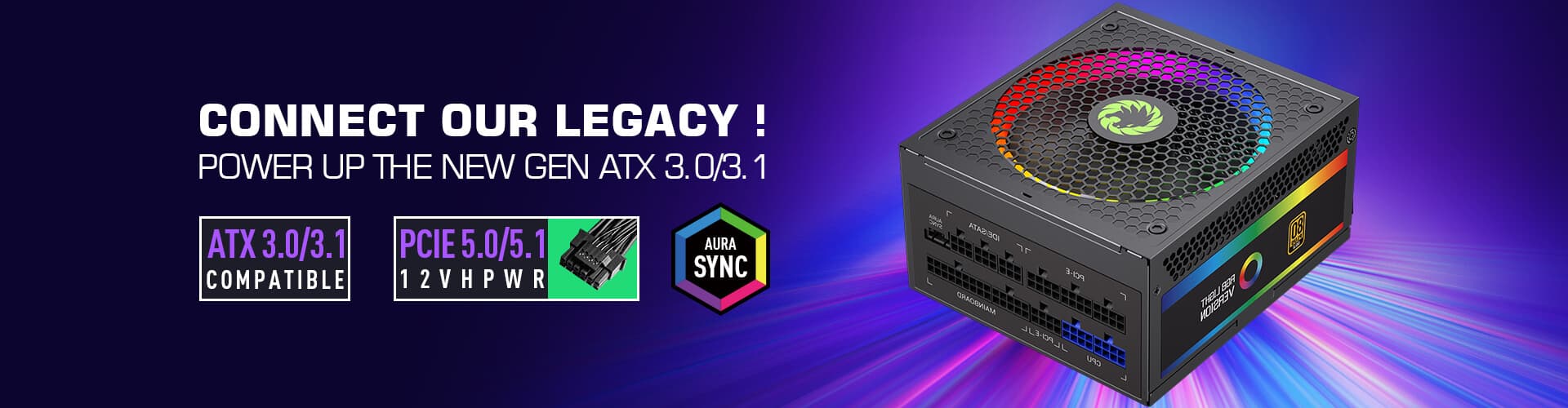
In the era of personalized PC hardware, custom power supply unit (PSU) cables have emerged as a critical component for enhancing both system performance and aesthetics. These cables not only streamline internal case management but also ensure stable and efficient power delivery by precisely matching hardware requirements. With the widespread adoption of the ATX 3.0 standard, the technical complexity and market demand for custom cables are rising in tandem. This comprehensive guide dissects the core technologies, selection strategies, and hands-on techniques for custom PSU cables, empowering you to build a power system that balances performance and visual appeal.

The 16-pin 12VHPWR connector introduced in the ATX 3.0 standard represents a pivotal upgrade for custom cables. This interface uses four additional signal pins (sideband channels) to enable real-time communication between the PSU and GPU, dynamically adjusting power delivery to prevent transient overloads. For example, high-end GPUs like the RTX 4090 leverage this mechanism to boost power stability by 30% under peak loads. Notably, 12VHPWR cables require 16 AWG gauge wires (up from 18 AWG traditionally) to support up to 600W power transmission, with a 150W limit when sideband channels are disabled.
In 2025, custom cable materials have evolved into a diverse landscape:
Silicone cables: Offer extreme temperature resistance (-60°C to 200°C) and flexibility for complex routing, though they come at a higher cost.
PVC cables: Provide cost-effectiveness and stable insulation, ideal for standard environments.
Silver-plated cables: Enhance conductivity by 5-8%, but their premium price makes them suitable mainly for extreme overclocking setups.
Eco-friendly materials: Recyclable halogen-free insulation, compliant with EU RoHS standards, has become the preferred choice for enterprise solutions.
Understanding the different cable types is crucial for precise system integration. Custom PSU cables are categorized by their connectivity and application:
24-pin Main Connector: The primary power link to the motherboard, delivering 12V, 5V, and 3.3V rails. Modern ATX 3.0 PSUs use 18-20 AWG wires, with the 12V rail carrying the heaviest load. Older systems may use 20-pin connectors, but 24-pin has been standard since ATX 2.0.
Key Feature: Includes a PS-ON signal pin (green wire) to trigger PSU startup. Custom versions often feature sleeved wiring for improved EMI resistance.
4+4-pin/EPS 12V: Supplies power to the CPU, with newer high-end motherboards using 8+4-pin or even 12+4-pin connectors (e.g., LGA 1700’s 12-pin EPS). Requires 16-18 AWG wires to handle up to 300W for overclocked CPUs.
Critical Note: Miswiring the 12V and ground pins can cause instant motherboard failure; always verify pinouts against the PSU manual.
6+2-pin (legacy): Standard for PCIe 3.0/4.0 GPUs, providing up to 150W per connector (8-pin total). Uses 18 AWG wires with gold-plated terminals for low resistance.
12VHPWR (16-pin): ATX 3.0’s flagship connector for PCIe 5.0 GPUs (e.g., RTX 40-series), supporting 600W via 16 AWG silicone wires. Features a keyed design to prevent incorrect insertion.
Molex (4-pin): Legacy connector for HDDs, case fans, and RGB controllers, delivering 12V and 5V. Gradually being replaced by SATA due to higher power efficiency.
SATA Power (15-pin): Modern standard for storage devices, using 18-20 AWG wires. Provides 12V, 5V, and 3.3V, though 3.3V is often deprecated in newer PSUs.
ATX 12VO: A future-oriented design eliminating 5V/3.3V rails, relying solely on 12V for all components via voltage regulators. Requires dedicated 12VO-compatible motherboards and cables.
Modular Cables: Feature detachable connectors, allowing users to install only necessary cables for cleaner airflow. Common in high-end PSUs like the Seasonic Prime Ultra series.
Custom cables must precisely match the PSU model and pinout definitions. For instance, the 12VHPWR pin assignments of the Corsair AX1600i differ from those of the EVGA SuperNOVA 1600 T2; incorrect wiring can damage hardware. Always consult the PSU manufacturer’s pin diagram or use customization tools from platforms like ModDIY to generate tailored solutions.
CableMod: Offers full-series modular cables with RGB lighting synchronization, compatible with motherboards from ROG, MSI, and more.
ModDIY: Supports over 30 brands including Antec and ASUS, offering customization for all connector types, from 12VHPWR to EPS.
Phanteks: Focuses on minimalist design with braided mesh sleeves, providing superior heat dissipation compared to traditional sleeving.
Regional Brands: Examples like India’s SenseiMods specialize in local markets, delivering cost-effective custom solutions.
Gauge Selection: 16 AWG is recommended for CPU power, while 18 AWG balances cost and performance for PCIe power.
Certifications: Prioritize cables with UL 1007 (electrical wire) and UL 44 (power cord) certifications to ensure flame resistance and anti-aging properties.
Warranty: Brands like CableMod offer 5-year warranties covering material and craftsmanship defects.
Sleeve Materials: Paracord sleeves, valued for their lightweight durability, have become the norm, supporting single-color or gradient customization.
Connector Angles: Right-angle PCIe connectors reduce stress on GPU ports, ideal for compact cases.
Length Optimization: Keep 24-pin motherboard cables under 60cm to minimize signal degradation.
Short-Circuit Prevention: Protect cables from sharp edges using braided sleeves in high-wear areas.
Grounding: Ensure the PSU metal casing is grounded via the motherboard to reduce EMI interference.
Overload Protection: ATX 3.0 PSUs with 5x transient current response prevent cable damage from sudden GPU power spikes.
Routine Checks: Clean cable surfaces with compressed air every 6 months to prevent heat buildup from dust.
Load Testing: Use tools like OCCT to simulate full-load conditions and monitor cable temperatures (ideally <60°C).
Firmware Updates: High-end PSUs (e.g., Corsair HXi series) optimize power delivery via iCUE firmware updates.
Smart Cables: Integrated with temperature sensors and data chips for real-time monitoring; CableMod’s Pro series already offers this functionality.
Lightweight Designs: Aerospace-grade aluminum-core cables reduce weight by 30% while maintaining conductivity.
Wireless Power: WiTricity technology is being adopted in high-end motherboards, potentially replacing some custom cable needs.
Recyclable Materials: Thermaltake’s EcoMod series uses recycled plastic for both cable sheaths and sleeves.
Modular Design: Interchangeable connectors and upgradeable wires extend product life cycles, minimizing e-waste.
Custom PSU cables have evolved from mere performance enhancers to iconic symbols of PC culture. By mastering ATX 3.0 standards, selecting materials with precision, and applying careful craftsmanship, both DIY enthusiasts and professionals can create power systems that excel in functionality and style. Always prioritize safety and maintenance to let your custom cables serve as the “invisible champions” of your hardware. As intelligence and sustainability converge, custom PSU cables will continue to drive innovation in PC hardware for years to come.

PSU extension cable,ARGB light

