

In the world of computers, the CPU is like the human heart, continuously delivering power. And CPU Thermal Paste (thermal grease) is a crucial supporting component that ensures the stable operation of the CPU. It is responsible for efficiently transferring the heat generated by the CPU to the heatsink, which then dissipates the heat, preventing the CPU from performance degradation or even damage due to overheating. So, with a wide range of CPU Thermal Paste products available on the market, how should we choose the right one? This article will provide you with a detailed analysis.

This is the most common type of thermal paste. It is made by mixing silicone oil as the base oil with thermal conductive fillers. Its advantages include excellent electrical insulation properties and non - conductivity, making it relatively safe to use. Even if there is a small amount of overflow during application, you don't have to worry about causing short circuits or other issues. At the same time, silicone - based thermal paste has stable chemical properties, a long service life, and is easy to apply, which can evenly fill the tiny gaps between the CPU and the heatsink. However, its thermal conductivity is at a medium level among various thermal pastes, generally ranging from 3 to 6W/(m·K). For some high - end CPUs with large heat generation and high heat dissipation requirements, it may be slightly insufficient. Common examples include some basic - level thermal paste products from Cooler Master.
This type of thermal paste contains metal powders, such as silver powder and aluminum powder. Due to the good thermal conductivity of metals, metal - based thermal paste usually has better thermal conductivity than silicone - based thermal paste, with a thermal conductivity of 6 to 12W/(m·K) or even higher. It can transfer the heat from the CPU more quickly, making it suitable for high - performance CPUs or overclocked CPUs to help them achieve better heat dissipation and maintain a stable working state. Nevertheless, metal - based thermal paste also has certain risks. Because the metal powders are conductive, if they accidentally come into contact with the circuits on the motherboard during application, it may cause short circuits and damage the hardware. For instance, some high - end thermal paste products from Thermalright adopt a metal - based formula.
Ceramic - based thermal paste uses ceramic powders as thermal conductive fillers. Its most prominent feature is high thermal and chemical stability. It can still maintain good performance in high - temperature environments without easily drying out, hardening, or deteriorating. Moreover, ceramic - based thermal paste also has excellent electrical insulation properties and high safety. However, its thermal conductivity is relatively low, generally ranging from 2 to 5W/(m·K). It is suitable for heat dissipation of CPUs in ordinary office computers or laptops that do not have particularly strict heat dissipation requirements and pursue long - term stable use. Some original thermal pastes used in laptops may belong to this type.
Liquid metal thermal paste is a high - performance thermal conductive material that has emerged in recent years. It has extremely excellent thermal conductivity, with a thermal conductivity of up to 70 to 80W/(m·K), which can greatly improve the heat dissipation efficiency of the CPU. For CPUs that pursue extreme performance and need to run under high loads for a long time, such as CPUs in professional graphics workstations and high - end gaming computers with overclocking, liquid metal thermal paste is an excellent choice. However, liquid metal thermal paste also has obvious drawbacks. On one hand, it is conductive, so you must be extremely careful during application to ensure even smearing without overflowing to other circuit parts, otherwise it is very easy to cause short circuits and burn the hardware. On the other hand, liquid metal thermal paste is relatively expensive and has certain requirements for the materials of the CPU and heatsink. Some materials may react with liquid metal, affecting the heat dissipation effect or even damaging the hardware. Thermal Grizzly's Conductonaut is a well - known liquid metal thermal paste product.
Thermal conductivity is undoubtedly the most crucial factor when choosing CPU Thermal Paste. It is usually measured in W/(m·K) (watts per meter per Kelvin). The higher the thermal conductivity value, the stronger the ability of the thermal paste to conduct heat, and the more quickly it can transfer the heat generated by the CPU to the heatsink. For CPUs in ordinary office computers, thermal paste with a thermal conductivity of 3 to 6W/(m·K can basically meet the needs. For devices with high CPU performance requirements and large heat generation, such as gaming computers and workstations, it is recommended to choose thermal paste with a thermal conductivity of more than 8W/(m·K). If it is for extreme application scenarios such as extreme overclocking, the ultra - high thermal conductivity of liquid metal thermal paste can play a great role. When checking product parameters, you must focus on the thermal conductivity index.
Viscosity affects the ease of application and the adhesion stability of the thermal paste. Thermal paste with too high viscosity is difficult to apply, making it hard to evenly cover the CPU surface. It is prone to uneven smearing thickness or the generation of air bubbles, which affects the heat dissipation effect. On the other hand, thermal paste with too low viscosity is easy to apply, but it may flow on the vertically placed CPU, leading to uneven heat dissipation and even flowing to other parts of the motherboard, causing malfunctions. Therefore, an ideal CPU Thermal Paste should have moderate viscosity. It should be easy to apply into a uniform thin layer and can stably adhere after the heatsink is installed without random flow. In actual purchase, you can refer to the description of viscosity in the product manual or check the user experience of other users to make a judgment.
Different CPUs generate different amounts of heat during operation, and their operating temperatures also vary. The selected thermal paste must be able to maintain stable physical and chemical properties within the actual operating temperature range of the CPU. Otherwise, problems such as performance degradation, drying, and hardening may occur, seriously affecting the heat dissipation effect. Generally speaking, high - quality thermal paste has a wide operating temperature range and can adapt to large temperature differences from low to high temperatures. For example, the operating temperature range of common thermal paste can be from tens of degrees below zero to around 200°C. Before purchasing, you should clearly understand the normal operating temperature range of your CPU and ensure that the selected thermal paste can meet this requirement.
Since the thermal paste is directly applied to the CPU surface and is in close contact with the heatsink, and the surrounding areas of the CPU and heatsink are all kinds of circuit components on the motherboard, good electrical insulation performance is crucial. A thermal paste with excellent electrical insulation performance can effectively prevent the risk of short circuits caused by conductivity and ensure the safety of computer hardware. Especially for users who are not proficient in computer hardware installation and are prone to a small amount of overflow when applying thermal paste, it is more important to choose a product with reliable electrical insulation performance. Except for liquid metal thermal paste which is conductive by nature, most thermal pastes such as silicone - based and ceramic - based thermal pastes have good electrical insulation properties. However, you still need to check the product manual for confirmation when purchasing.
During the long - term use of the computer, the CPU will continuously generate heat, and the thermal paste will also work in a high - temperature environment for a long time. Thermal paste with good anti - aging property can maintain high performance for a long time without easy decomposition, hardening, or failure, thus ensuring the long - term stability of the heat dissipation effect and extending the service life of the CPU and the entire computer system. Some low - quality thermal pastes may dry out, crack, or have other problems after being used for a period of time, leading to a significant decline in heat dissipation capacity. When making a choice, you can pay attention to the brand reputation of the product and user feedback to understand the performance of the thermal paste after long - term use. Usually, products from well - known brands that have undergone strict research and development and testing are more guaranteed in terms of anti - aging property.
When installing the CPU heatsink, the heatsink will exert a certain pressure on the thermal paste on the CPU surface. The performance of some thermal pastes may change under the influence of pressure, such as a decrease in thermal conductivity, extrusion, or deformation. Therefore, when purchasing, you need to confirm whether the thermal paste has low pressure sensitivity, that is, it can maintain stable thermal conductivity under different pressure conditions. This is particularly important for users who use large and heavy heatsinks or have high installation pressure on the heatsink. Some high - end thermal paste products will specially emphasize their pressure stability in the product introduction, and users can give priority to such products.

Arctic MX - 6 is a highly praised silicone - based thermal paste. With a thermal conductivity of up to 10.5W/(m·K), it is at a relatively high level among silicone - based thermal pastes. It can provide a good improvement in the heat dissipation performance of the CPU and is suitable for various mainstream CPUs, whether it is for office computers or gaming consoles. This product has moderate viscosity and is very easy to apply. Even novice computer hardware installers can easily and evenly apply it on the CPU surface. Moreover, Arctic MX - 6 has good electrical insulation properties and anti - aging property, which is safe, reliable, and has a long service life. In terms of price, it is relatively affordable with high cost - effectiveness, making it a popular thermal paste product among the majority of users.
As a well - known heat dissipation brand, Noctua's NT - H2 thermal paste has excellent quality. NT - H2 adopts a special formula with a thermal conductivity of 12.8W/(m·K). It has excellent thermal conductivity, which can effectively reduce the CPU temperature and help the CPU maintain stable performance. This thermal paste also has excellent viscosity control. It is easy to apply evenly and can remain stable under the pressure of the heatsink without flowing or being over - compressed. In terms of electrical insulation and anti - aging property, NT - H2 also performs well, providing users with reliable long - term use guarantee. Although the price is relatively high, considering its excellent performance and quality, it is still a worthy choice for users who pursue extreme heat dissipation effects.
Thermal Grizzly's Kryonaut Extreme is a high - performance thermal paste. With a thermal conductivity of up to 14.3W/(m·K), it can quickly and effectively transfer the heat generated by the CPU. It is especially suitable for high - end CPUs with large heat generation and strict heat dissipation requirements, such as Intel's Core i9 series and AMD's Ryzen 9 series. Kryonaut Extreme also has certain advantages in application. It has a fine texture and is easy to evenly cover the CPU surface to form a good thermal conduction layer. In addition, this product performs well in terms of anti - aging property and pressure stability. It can maintain stable heat dissipation performance under long - term high - load use and different installation pressure conditions. However, it should be noted that Kryonaut Extreme is relatively expensive. But for enthusiast users who pursue extreme performance, it can bring a significant improvement in heat dissipation effect, which is worth the money.
Thermalright TF8 is a metal - based thermal paste. It is added with high - purity metal fillers such as silver powder, with a thermal conductivity of up to 13.8W/(m·K). It has strong thermal conductivity and can provide an efficient heat dissipation solution for the CPU. It is very suitable for computers of overclocking players, helping them effectively control the CPU temperature in the overclocked state and ensure the stable operation of the CPU. Thermalright TF8 has a reasonable viscosity design. It is smooth and easy to apply, and can firmly adhere after the heatsink is installed without shifting due to vibration or pressure changes. In terms of electrical insulation performance, Thermalright has adopted special treatment to minimize the risk of conductivity while ensuring high thermal conductivity. However, you still need to operate carefully during use to prevent the thermal paste from coming into contact with the motherboard circuits. Generally speaking, with its excellent thermal conductivity and good overall performance, Thermalright TF8 occupies a place in the high - end thermal paste market.
Strictly speaking, Honeywell PTM7950 belongs to phase - change thermal conductive material, which is different from traditional paste - like thermal paste. It is in a solid state at room temperature. When it comes into contact with the heated CPU, it will quickly absorb heat and undergo a phase change, turning into a liquid - like state. Thus, it can tightly fill the tiny gaps between the CPU and the heatsink and greatly improve the thermal conduction efficiency. PTM7950 has excellent thermal conductivity, with an equivalent thermal conductivity of about 10 to 12W/(m·K), which can effectively reduce the CPU temperature. Its advantage lies in the convenience of installation. You only need to cut it into an appropriate size and paste it on the CPU surface, without the need for smearing like traditional thermal paste. This greatly reduces the installation difficulty and reduces the heat dissipation problems caused by uneven smearing. Moreover, the phase - change thermal pad has good anti - aging property and stability, and a long service life. It is an ideal choice for CPU heat dissipation in laptops and for users who have high requirements for installation convenience.
Choosing the right CPU Thermal Paste is crucial for ensuring the stable operation and performance of the CPU. In the purchasing process, we need to comprehensively consider factors such as thermal conductivity, viscosity, operating temperature range, electrical insulation performance, anti - aging property, and pressure stability, and make a choice based on the usage scenario of the computer and the specific conditions of the CPU. Whether you are an ordinary user pursuing cost - effectiveness or an enthusiast user pursuing extreme performance, you can find a CPU Thermal Paste product that suits you in the market. It is hoped that through the introduction in this article, you can make a wise choice among numerous products and create an efficient heat dissipation environment for your CPU.
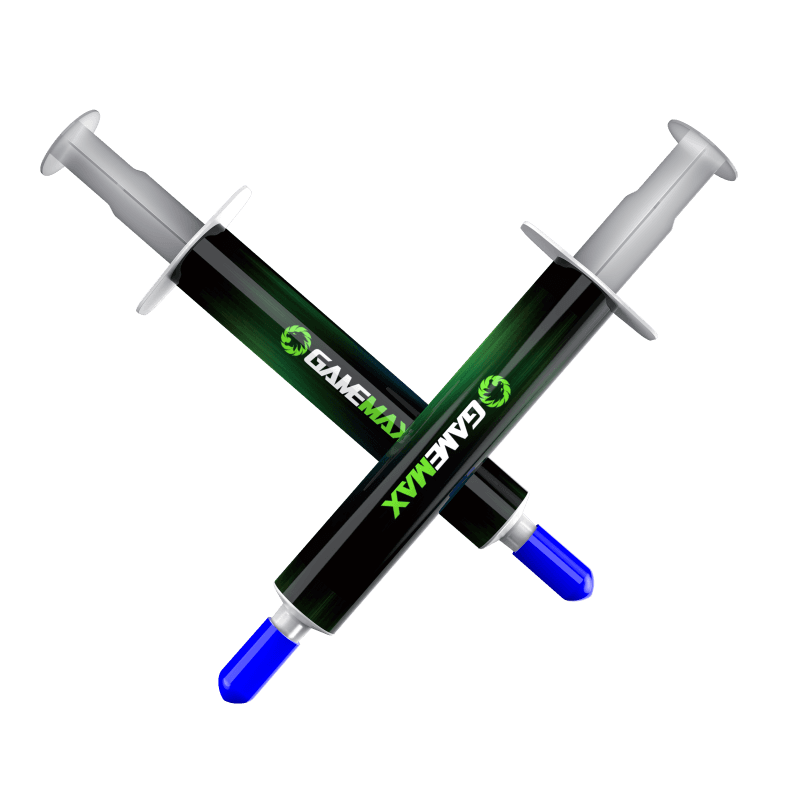
High-performance thermal paste specially designed for overclocking or gaming PCs ,Comes with 3g thermal paste that is easy to apply and perfectly fills the space between your cooler and CPU
• Nanotechnology in the paste improves heat conduction via its micro molecules
• Made with non-electric conductive materials, this thermal paste is completely safe to use
• Comes with a spreader for quick and easy application.
• Nano Grease made with nanotechnology offering superior tehermal conductivity
• Increasing the performace of CPU and VGA coolers
• Non-electric conductive materials ensure safe usage
• Low evaporation point and high temperature tolerance
• Spreader allows for quick and easy application
• Comes with 3 grams of thermal paste

