
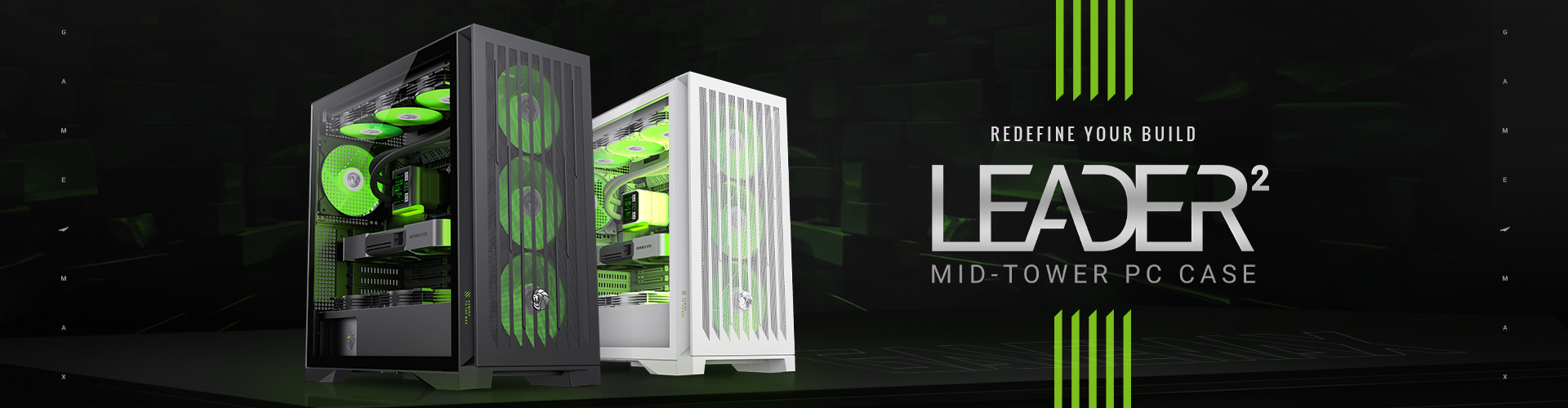
In the era of personalized gaming hardware, tempered glass PC cases have become the top choice for PC enthusiasts due to their transparent aesthetic appeal. However, as an evolved form of "fragile goods," users' concerns about their safety and durability persist—How thick should the glass be for safety? How to avoid cracking during transportation and installation? Is after-sales replacement convenient? This article delves into the core safety elements of tempered glass cases from material science, usage scenarios, and after-sales services, helping you avoid pitfalls in selection and use.
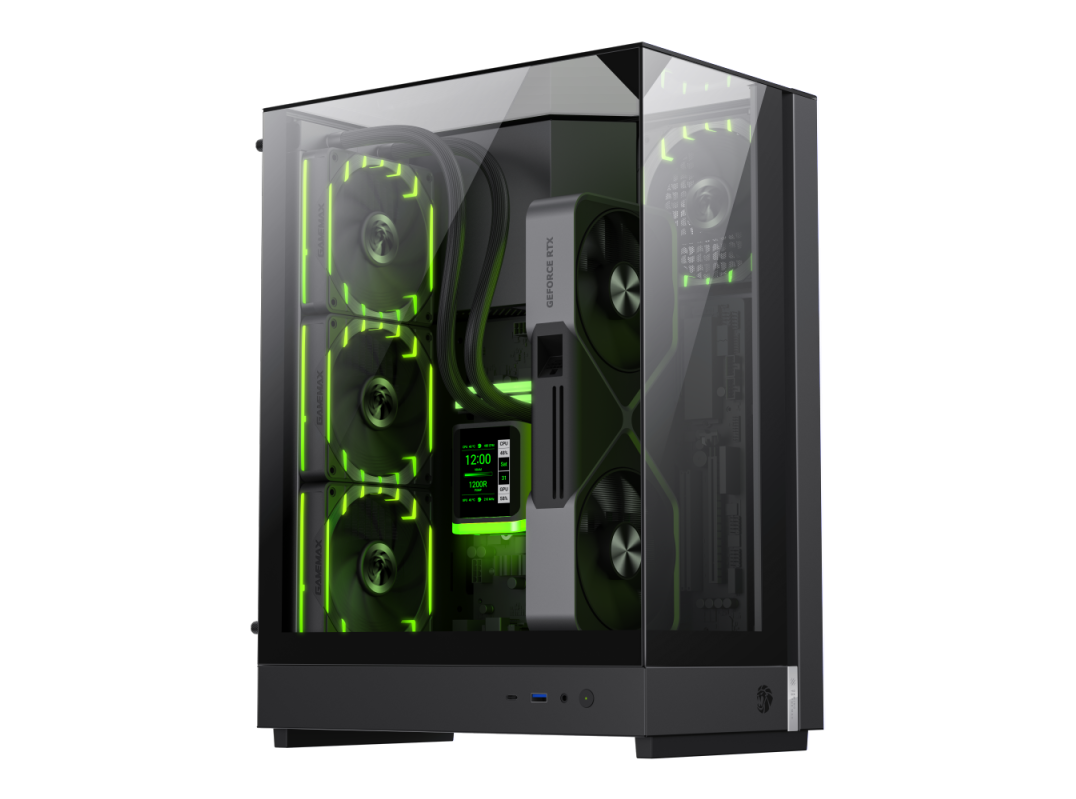
The safety of tempered glass primarily depends on its thickness and tempering process. The mainstream chassis glass panel is mainly 2mm-3mm thick:
2mm Thickness: Suitable for small to medium-sized cases (e.g., ITX/MATX), with an impact resistance of 50-60MPa, meeting daily use requirements. A typical example is the 2mm fully transparent glass of the GAMEMAX Infinity Mini;
3mm Thickness: Commonly used in full-tower/three-sided glass cases (e.g., Lian Li O11 Dynamic), with impact resistance increased to 80-100MPa, capable of withstanding greater external force for users pursuing ultimate protection.
Certifications as Quality Indicators: The EU CE certification requires tempered glass to pass a 227g steel ball drop test from 1m height without cracking; the US ASTM standard mandates edge strength ≥24MPa. Always check product details or contact the brand for certification information to avoid "pseudo-tempered glass" (only surface-hardened without full tempering process).
The weak point of tempered glass lies in untreated edges and corners—sharp right angles without edge grinding are prone to stress concentration from screw pressure or collisions during installation, leading to cracks. Premium cases like the NZXT H710i use CNC arc edge grinding + chamfering, with an edge transition radius ≥3mm, reducing ccc and increasing edge impact resistance by 30%. When installing, wear anti-slip gloves and tighten screws diagonally and evenly to avoid excessive local pressure.
Transport Protection: Original packaging should include full EPE foam wrapping + independent glass partitions (e.g., Phanteks Enthoo Elite's split packaging). Inspect the glass immediately upon receipt for hidden cracks (check by side-lighting);
Installation Taboos: Never place the glass panel horizontally (gravity concentration may cause central bending and cracking). Carry it vertically with both hands; use manual screwing instead of power tools, tightening until "slight resistance" to avoid breaking the glass's stress balance.
Temperature Difference Control: Tempered glass withstands -40℃~280℃, but sudden temperature changes pose risks (e.g., moving the case from a cold outdoor environment to a heated room, or local overheating from overclocking). Avoid frequent case movement; overclockers should use high-performance fans to control internal temperature difference ≤15℃;
Vibration Damping: High-frequency vibrations from hardware like GPUs and hard drives can transfer to the glass through brackets. Choose cases with rubber shock pads (e.g., Huntkey GX580H) or add 3mm EVA foam between glass and metal contacts to reduce vibration transmission by 60%.
Tempered glass has a low "spontaneous breakage rate" of 0.1%-0.3%, shattering into blunt particles <5mm (compliant with GB15763.2 safety glass standards), 90% safer than sharp fragments of ordinary glass. However:
Power off immediately and disconnect the power supply to prevent debris from falling into hardware interfaces;
Use wide tape to pick up surface debris and a low-power vacuum cleaner for crevices—avoid wet cloths (risk of debris adhesion);
Never reuse cracked glass panels, as stress distribution changes may cause secondary cracking.
Mainstream brands are improving their glass panel after-sales systems:
Official Standalone Sales: Brands like GAMEMAX sell Infinity series glass panels on their website (priced at 15%-20% of the full case), including screws and installation guides;
Warranty Policies: Some brands (e.g., Cooler Master) offer 1-year free glass panel replacement (non-human damage), requiring purchase proof and crack photos for application;
Caveat: After-sales glass panels are usually custom-sized—do not cut ordinary tempered glass yourself, as hole position deviations may cause installation failure.
For brands without after-sales support or cost-saving needs:
Dimension Measurement: Use a caliper to measure glass length/width (precision to 0.5mm) and screw hole spacing (diagonal error ≤1mm), noting any edge notches (e.g., fan vent holes);
Material Selection: Prioritize "automotive-grade tempered glass" (light transmittance ≥92%, 20% higher impact resistance than ordinary tempered glass), referencing industrial glass customizers on Alibaba 1688 (minimum order usually 1-5 pieces);
Installation Test: Pre-install without tightening screws first—check for a snug fit against the case frame before final fixation to avoid forced installation causing new cracks.
The safety of a tempered glass case is not an "all or nothing" proposition but a combination of material certification, manufacturing craftsmanship, usage habits, and after-sales support. Choose certified products (thickness matching your needs), pay attention to edge treatment, follow "vertical handling, diagonal screwing" during installation, and pair with brand after-sales or reliable third-party solutions to minimize cracking risks while enjoying the transparent aesthetic.
Remember: A qualified tempered glass panel is not just a "showcase" for your hardware but a "safety shield" protecting it. Understand the material's characteristics rationally and use scientific selection and usage methods to achieve both high aesthetics and high safety.

