
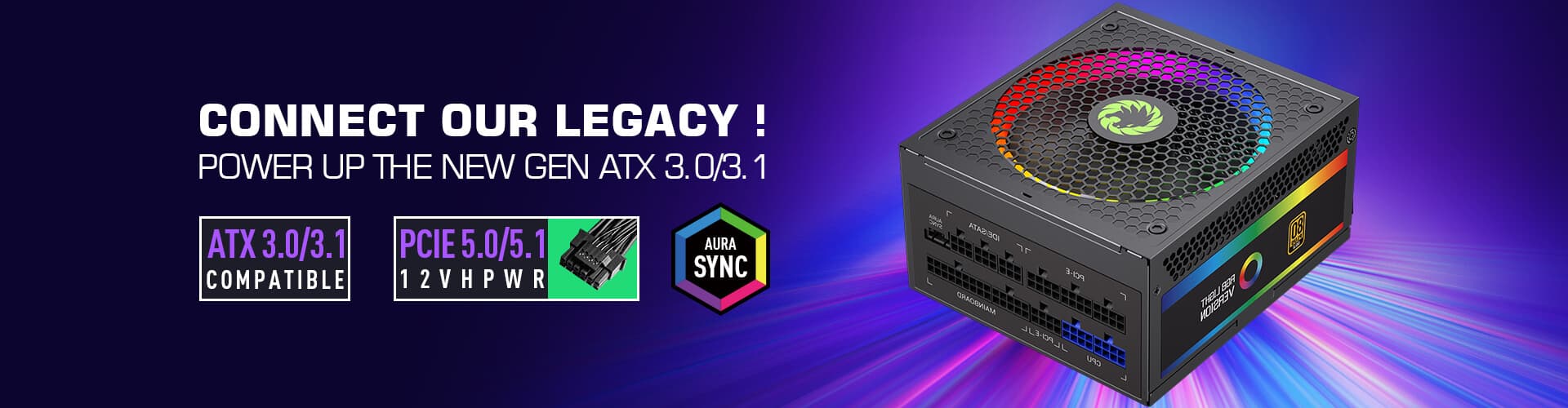
In the world of electronics and electrical engineering, the AC to DC power supply plays a fundamental role. From charging smartphones to powering industrial machinery, this essential device bridges the gap between alternating current (AC) — the standard form of electricity delivered by power grids — and direct current (DC), which is required by most electronic devices.

An AC to DC power supply is a device that converts alternating current (AC) into direct current (DC). While AC flows in alternating directions and is ideal for power transmission over long distances, DC flows in a constant direction and is suitable for electronics, batteries, and digital devices.
These power supplies are found in a wide range of applications — from consumer electronics (such as laptops, TVs, and LED lights) to medical equipment, industrial automation systems, and communication devices.
A typical AC to DC power supply goes through several stages:
Step-down Transformer (optional): Reduces the AC voltage to a safer, lower level.
Rectification: Converts AC to pulsating DC using diodes or bridge rectifiers.
Filtering: Smooths out fluctuations in the pulsating DC with capacitors.
Regulation: Maintains a stable and consistent output voltage despite changes in input voltage or load conditions.
Modern AC to DC power supplies, particularly switching power supplies (SMPS), are compact, efficient, and widely used in today’s electronics.
Depending on your application, you may choose from several types:
Linear Power Supply: Simple, stable, and low-noise; best for audio or sensitive equipment.
Switching Power Supply: Highly efficient and compact; ideal for most modern devices.
Programmable Power Supply: Used in labs or testing environments where variable output is needed.
Modular Power Supply: Flexible and expandable for complex or industrial systems.
When selecting the right AC to DC power supply for your needs, consider the following:
Input Voltage Range: Ensure compatibility with your region's AC voltage (e.g., 110V or 220V).
Output Voltage and Current: Match your device’s requirements precisely.
Power Rating (Wattage): Always select a power supply that exceeds your maximum expected load by 20–30%.
Form Factor: Size and mounting options for your application.
Certifications and Safety: Look for CE, UL, or RoHS compliance.
Cooling Method: Fan-cooled, convection, or sealed designs based on your environment.
Consumer Electronics: TVs, routers, gaming consoles
LED Lighting Systems: Requires low-voltage DC
Industrial Equipment: CNC machines, controllers
Medical Devices: Precision and safety-critical tools
Telecommunications: Server racks, repeaters, base stations
An AC to DC power supply is more than just a plug-in device — it’s a critical component in almost every electronic system. Whether you’re a hobbyist, engineer, or procurement specialist, understanding how it works and what to look for will help you make smarter choices for performance, safety, and efficiency.

