
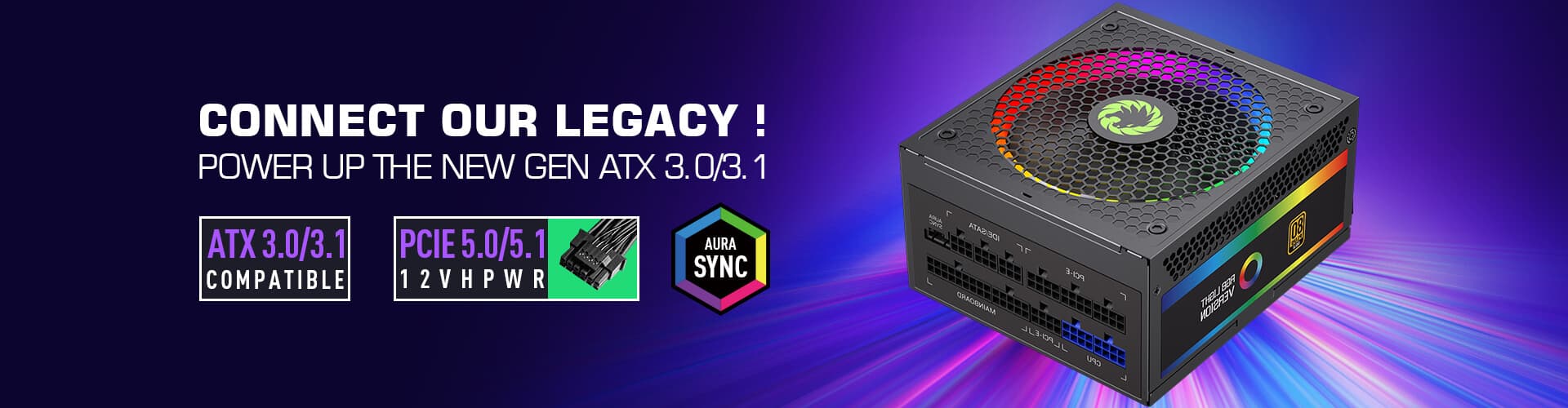
In an increasingly digital world, AC to DC power supplies are the silent workhorses enabling nearly every modern electronic device. While alternating current (AC) is the standard for power distribution across grids, most electronic circuits and components require direct current (DC) to operate efficiently and reliably. The transformation from AC to DC isn’t just a technical necessity—it’s a foundation for innovation across industries. Here are the top five applications of AC to DC power supplies that are shaping the modern electronics landscape.

From smartphones and laptops to smart TVs and gaming consoles, consumer electronics rely heavily on AC to DC conversion. Wall adapters, USB chargers, and internal power management circuits all include compact AC to DC converters. These power supplies are designed for energy efficiency, low noise, and high reliability to ensure a seamless user experience.
Why It Matters: Stable DC power ensures that sensitive digital components operate within tight voltage tolerances, preventing data corruption, overheating, or premature device failure.
Modern manufacturing facilities are brimming with robotic arms, programmable logic controllers (PLCs), sensors, and machine vision systems—all of which run on DC power. Centralized or distributed AC to DC power systems provide clean, regulated voltage to these components, ensuring precision and minimizing downtime.
Why It Matters: In automation, even millisecond-level power instability can disrupt production lines. Reliable DC power enhances productivity and reduces operational risk.
Base stations, data centers, and network switches form the backbone of global communication. These systems often operate 24/7 and depend on robust AC to DC power supplies with features like redundancy, hot-swapping, and remote monitoring.
Why It Matters: In telecom, power failure is not an option. Converting grid-supplied AC into regulated DC ensures uninterrupted connectivity, especially in remote or mission-critical environments.
While electric vehicles (EVs) ultimately run on DC, charging infrastructure often receives AC from the grid. AC to DC power supplies in EV chargers convert this input to the precise DC voltage needed for fast and safe battery charging. Inside EVs, additional DC-DC converters distribute power to motors, control systems, and infotainment.
Why It Matters: Efficient AC to DC conversion is key to reducing charging times, extending battery life, and making EVs more practical for daily use.
Whether it’s a portable infusion pump, a ventilator, or an MRI machine, medical devices demand ultra-reliable and isolated DC power. AC to DC power supplies in these settings are often medically rated and comply with strict safety and electromagnetic compatibility standards.
Why It Matters: Precision and reliability aren’t optional in healthcare—they’re critical. Power supplies must perform flawlessly in environments where human lives depend on them.
AC to DC power supplies are more than electrical components—they’re enablers of progress. From the smartphone in your pocket to the machines in an operating room, their influence is vast and often underappreciated. As technology continues to evolve, these converters will play an even more crucial role in supporting innovation, sustainability, and human well-being.

