
Is your computer suddenly shutting down, running sluggishly, or making loud whirring noises? These could all be red flags that your CPU is overheating. A overheating CPU not only disrupts your workflow or gaming sessions but can also cause long-term damage to your computer’s hardware. Fortunately, there are several effective solutions to address this issue quickly. Let’s dive into 10 proven methods to get your CPU back to a safe temperature.

The CPU cooler is the first line of defense against overheating, and over time, it can get clogged with dust, hair, and debris. This buildup blocks airflow, preventing the cooler from doing its job effectively. To clean it, power off your computer and unplug it. Open the case (for desktops) or remove the bottom panel (for laptops, if possible). Use compressed air to blow away the dust from the cooler, heatsink, and fan blades. For stubborn grime, a soft brush can help dislodge the dirt. Make sure to hold the fan in place while cleaning to avoid damaging it.
Thermal paste is a heat-conductive material that sits between the CPU and the heatsink, helping to transfer heat efficiently. Over time, this paste can dry out, crack, or become less effective, leading to increased temperatures. To replace it, first, remove the heatsink from the CPU. Clean off the old thermal paste using isopropyl alcohol and a lint-free cloth. Apply a small, pea-sized amount of new thermal paste to the center of the CPU, then reattach the heatsink. Be careful not to apply too much paste, as it can seep out and cause damage.
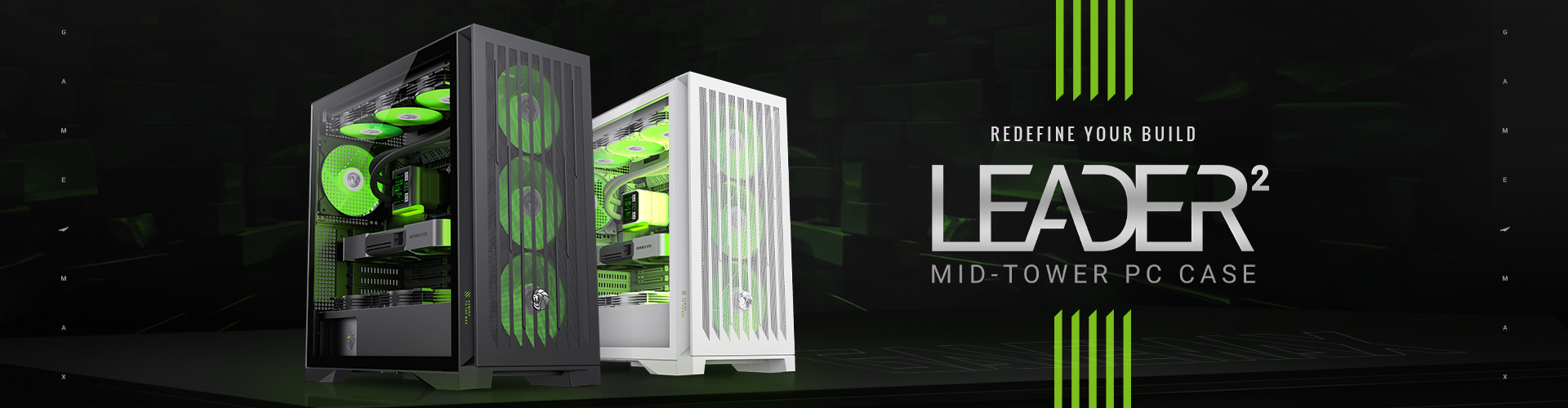
A lack of proper airflow inside your computer case can trap heat, causing the CPU to overheat. Check that all case fans are working correctly—listen for their operation and ensure they’re not blocked by cables or other components. If your case has only one fan, consider adding more, especially intake fans at the front and exhaust fans at the back or top. Also, organize the cables inside the case to avoid blocking airflow. Use cable ties or Velcro straps to keep them neat and out of the way.
Overclocking is the process of increasing the CPU’s clock speed to boost performance, but it also generates more heat. If you’ve overclocked your CPU and are experiencing overheating, reverting to the default clock settings can help reduce temperatures. Access your computer’s BIOS or UEFI settings (usually by pressing a key like Del, F2, or F1 during startup) and reset the CPU multiplier or base clock to its original values. While overclocking can be beneficial for gaming or heavy tasks, it’s not worth the risk of overheating if you’re not properly equipped with adequate cooling.
The ambient temperature of the room where your computer is located can have a significant impact on CPU temperatures. Avoid placing your computer in direct sunlight, near a heater, or in a small, enclosed space. If the room is warm, use a fan or air conditioning to keep the temperature down. For laptops, using them on a soft surface like a bed or couch can block the vents, so opt for a hard, flat surface instead. You can also use a laptop cooling pad, which has built-in fans to help dissipate heat.
Running too many programs or background processes can cause the CPU to work harder, generating more heat. Open the Task Manager (Ctrl + Shift + Esc on Windows or Activity Monitor on Mac) to see which processes are using the most CPU resources. Close any unnecessary programs or end processes that are consuming excessive power. You can also disable startup programs that launch automatically when you turn on your computer, as they can run in the background and use CPU resources without you realizing it.
Outdated BIOS or device drivers can sometimes cause the CPU to run inefficiently, leading to overheating. Check the manufacturer’s website for your motherboard (for desktops) or laptop model to see if there are any BIOS updates available. Follow the instructions carefully to install the update, as a failed BIOS update can brick your computer. Similarly, update your device drivers, especially the chipset and graphics card drivers, as these can affect CPU performance and temperature.
Malware and viruses can run in the background, using up CPU resources and causing it to overheat. Perform a full system scan using your antivirus software to detect and remove any malicious programs. If you don’t have antivirus software, there are several free options available, such as Windows Defender, Malwarebytes, or Avast. Regularly scanning your computer can help prevent malware from causing performance issues and overheating.
In some cases, overheating can be caused by a faulty hardware component. Check if the CPU fan is spinning properly—if it’s not, it may need to be replaced. A damaged heatsink, such as one that’s bent or cracked, can also reduce its ability to dissipate heat. For laptops, a loose or damaged heatsink connection can cause overheating. If you’re not comfortable inspecting the hardware yourself, take your computer to a professional technician for a diagnosis.
If you’ve tried all the above solutions and your CPU is still overheating, it may be time to upgrade your cooling system. For desktops, replacing a stock CPU cooler with a high-performance aftermarket air cooler or a liquid cooling system can significantly reduce temperatures. Liquid coolers, such as all-in-one (AIO) coolers, are more effective at dissipating heat and are a good option for overclocked CPUs or high-performance systems. For laptops, while upgrading the cooling system is more limited, using a higher-quality cooling pad can help.
In conclusion, a overheating CPU is a common issue that can be resolved with the right steps. By cleaning the cooler, replacing thermal paste, ensuring proper airflow, and taking other preventive measures, you can keep your CPU running at a safe temperature. If you’re unsure about any of these steps, don’t hesitate to seek help from a professional. Remember, addressing overheating early can save you from costly hardware repairs down the line.

