
Choosing the right motherboard depends on your needs for size, expandability, and compatibility. Here’s a streamlined comparison to help you decide.

Size dictates hardware capacity and case fit.
ATX: 305mm×244mm (largest). Features 4-8 PCIe slots, 4-8 memory slots (up to 256GB), and 4-8 SATA ports. Extra power modules support high-end CPUs (i9/Ryzen 9) and overclocking.
Micro ATX: 244mm×244mm (25% smaller than ATX). Has 2-4 PCIe slots, 2-4 memory slots (up to 64GB), and 4-6 SATA ports. Sufficient for mid-range CPUs (i5/Ryzen 5) with basic overclocking.
Mini ITX: 170mm×170mm (smallest). Only 1 PCIe slot, 2 memory slots (up to 64GB), and 2-4 SATA ports. Compact power design works with low/mid-range CPUs (i3/Ryzen 3); no overclocking.
ATX: Maximum expandability. Supports multiple GPUs, NVMe drives, and storage arrays. Quad-channel memory (on high-end models) and extra cooling suit gaming/rendering.
Micro ATX: Moderate expandability. Handles 1 GPU, 1-2 NVMe drives, and 2-4 HDDs. Dual-channel memory works for gaming/office use. Costs 10-20% less than ATX.
Mini ITX: Limited expandability. Supports 1 GPU (check length), 1 NVMe drive, and 1-2 HDDs. May lack ports (e.g., Ethernet) requiring adapters. Ideal for compact builds.
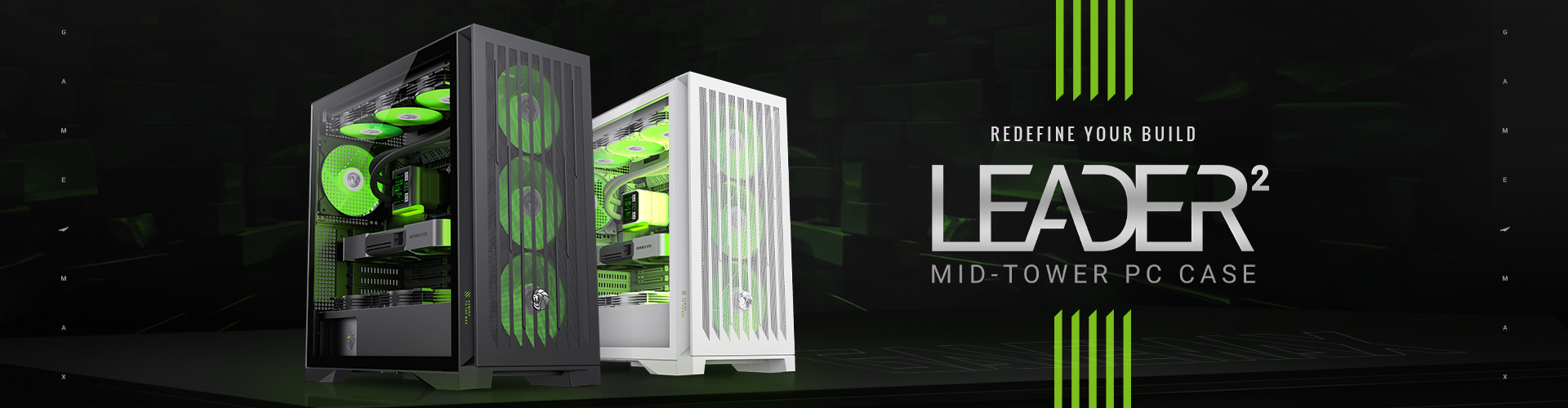
ATX: Fits ATX/E-ATX cases (mid-towers may work). Accommodates long GPUs (>30cm) and large coolers. Compatible with nearly all consumer hardware.
Micro ATX: Fits ATX/M-ATX/ITX cases. Works with GPUs ≤28cm and standard coolers. Balances size and performance.
Mini ITX: Requires ITX/small M-ATX cases. Limits GPUs to ≤25cm and coolers to ≤15cm. Best for compact setups.
You need high performance (i7/Ryzen 7+), overclocking, or multi-device setups.
You plan long-term upgrades.
You want mainstream performance (i5/Ryzen 5) without extra cost.
You need a balance of expandability and case size.
You prioritize compactness (e.g., HTPCs, small offices).
You have low performance needs and don’t plan upgrades.
Match CPU interface (e.g., LGA 1700, AM5) to avoid incompatibility.
Check case support for your motherboard size.
Prioritize ATX/M-ATX for upgrades; Mini ITX for space-saving.
ATX suits power users needing expandability. Micro ATX offers value for mainstream needs. Mini ITX is for compact builds. Choose based on hardware goals, case size, and budget.

