
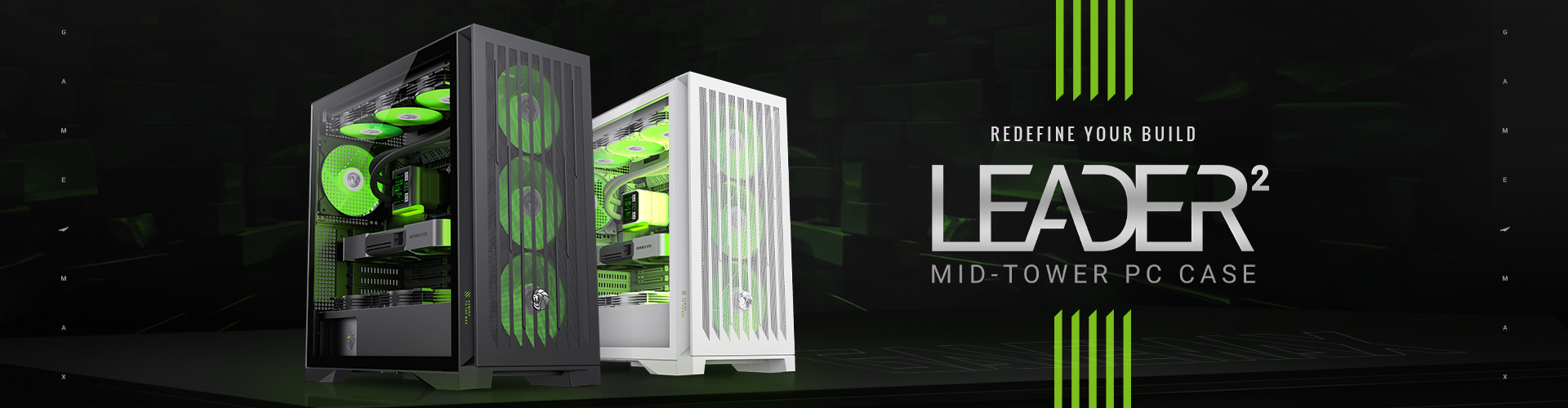
In recent years, wall mountable PC cases have emerged as a popular choice for enthusiasts seeking a blend of aesthetics, space-saving design, and functional innovation. These cases allow users to transform their gaming or workstations into eye-catching centerpieces while optimizing room layout. But are they truly worth the investment? Let’s delve into the pros, cons, and real-world experiences to help you decide.
Space Optimization
One of the most compelling advantages is their ability to free up valuable desk or floor space. By mounting the PC vertically on the wall, users reclaim 20–30% of their workspace, which is particularly beneficial for smaller rooms or setups with multiple monitors, speakers, or peripherals. This setup also facilitates a cleaner, minimalist aesthetic, aligning with modern interior trends.
Enhanced Cooling and Airflow
Many wall mount cases feature open-frame or modular designs that promote natural airflow. Unlike traditional closed cases, components like GPUs and CPUs have direct access to fresh air, reducing thermal throttling and improving overall cooling efficiency. This is especially advantageous for high-performance builds with custom water-cooling loops, as the open layout allows for unobstructed radiator placement.
Stunning Visual Appeal
Wall-mounted PCs are often showcased as "tech art," with tempered glass panels and RGB lighting highlighting custom builds. Users can display intricate cable management, liquid-cooling setups, and premium components, turning the PC into a focal point of the room. The modular design of some cases even allows for creative orientations, such as vertical GPU mounts or rotated motherboards, further elevating the visual impact.
Improved Cable Management
While initially intimidating, wall mounting offers unique advantages for cable management. The space between the wall and the case allows for discreet routing of cables, and accessories like cable sleeves or hidden channels can be used to achieve a clutter-free look. Additionally, wireless peripherals and extended cables (e.g., USB-C hubs) simplify connectivity without compromising aesthetics.
Reduced Dust Accumulation
Mounting the PC off the floor minimizes exposure to dust, pet hair, and debris. The vertical orientation also prevents dust from settling on horizontal surfaces, though open-frame designs still require occasional cleaning to maintain optimal performance.

Complex Installation Process
Installing a wall mount case demands precision and effort. Users must drill into walls, ensure structural integrity, and often purchase additional mounting brackets (which may not be included). Incorrect installation can lead to instability or damage, making this a daunting task for beginners. Some cases also require specialized tools or professional assistance, adding to the overall complexity.
Maintenance Challenges
Accessing internal components for upgrades or repairs becomes cumbersome once the PC is mounted. Simple tasks like replacing a GPU or cleaning fans may require disassembling the entire setup and using a ladder, which is both time-consuming and impractical for frequent maintenance. Open-frame designs also leave components more exposed to accidental bumps or spills.
Weight and Stability Concerns
Full-tower wall mount cases can weigh upwards of 22 kg (48 lbs) when fully loaded, necessitating reinforced wall studs or concrete anchors to prevent damage. In seismic zones, this risk is amplified, as the PC could detach during an earthquake. Users must carefully assess their wall’s load-bearing capacity before installation.
Higher Costs
Wall mount cases are typically pricier than traditional counterparts, with premium models often exceeding $300. Additional expenses may include mounting hardware, cooling solutions (e.g., fans or radiators), and custom cables to maintain a sleek appearance. Budget-conscious users may find the cost-to-benefit ratio less appealing.
Limited Compatibility
Not all components fit seamlessly into wall mount cases. Some models have restrictive GPU clearance, especially when paired with water-cooling reservoirs, and may not support larger motherboards like E-ATX. Users must thoroughly check compatibility before purchasing to avoid frustrating mismatches.
Positive Feedback:
Many users praise the cooling performance and aesthetic appeal of wall mount cases. Enthusiasts highlight how open designs reduce thermals by 10–15°C compared to closed cases, even under heavy loads. The ability to showcase custom builds has also been a major draw, with users reporting pride in displaying their work as a "conversation piece".
Negative Feedback:
Common gripes include installation complexity and maintenance hassles. Users note that poorly written manuals and missing mounting hardware can turn the setup into a frustrating ordeal. Some also complain about dust accumulation in open-frame designs, requiring weekly cleaning to prevent performance degradation. Additionally, the lack of USB-C ports on front I/O panels in older models has been a point of contention.
Wall mountable PC cases excel in specific scenarios:
Ideal for:
Gamers or creators with limited space who prioritize aesthetics and cooling.
Enthusiasts with custom water-cooling builds looking to showcase their work.
Users who value a clutter-free, modern workspace.
Not Recommended for:
Beginners uncomfortable with drilling or complex installations.
Frequent upgraders who need easy access to components.
Those living in areas prone to earthquakes or with weak wall structures.
Wall mountable PC cases offer a unique blend of functionality and style, making them an excellent choice for users willing to invest time and effort into their setup. While they excel in space-saving, cooling, and visual appeal, their high costs, installation challenges, and maintenance drawbacks mean they’re not suitable for everyone. If you’re passionate about showcasing your hardware and have the patience for a meticulous build, a wall mount case can transform your PC into a stunning, high-performance centerpiece. Otherwise, a traditional case may better suit your needs.

