
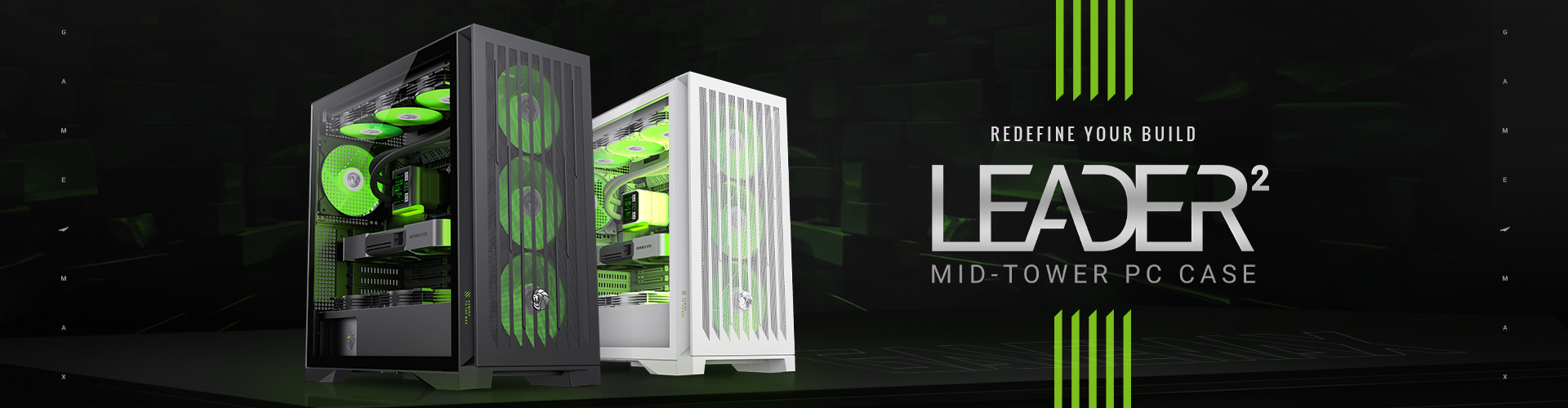
In modern living and working environments, optimizing space while maintaining functionality and aesthetics is paramount. Wall mountable PC cases offer an innovative solution by utilizing vertical space, ideal for compact home offices, streamlined gaming setups, or professional workstations. Selecting the right case requires balancing technical specifications with practical design considerations. Here’s a detailed guide to help you make an informed choice.

Begin by evaluating your environment. Measure the wall area for installation, ensuring it accommodates the case while allowing space for ventilation and cable management. Consider:
Usage Scenario:
Home/Office: Prioritize sleek designs with quiet operation (e.g., models with sound-dampening materials).
Gaming: Opt for cases with robust cooling systems (e.g., those supporting large liquid cooling radiators).
Industrial/Professional: Prioritize durability and high protection ratings (e.g., dust/water-resistant designs).
Hardware Compatibility: Confirm the case fits your motherboard type (ATX, Micro-ATX, Mini-ITX), GPU length, and power supply (SFX for compact builds).
Wall-mounted cases vary from Mini-ITX to E-ATX. Ensure the case’s weight (with components) aligns with the wall’s load-bearing capacity—always factor in a safety margin (at least 4x the device weight).
Efficient airflow is critical:
Fan Support: Look for cases with multiple fan slots.
Liquid Cooling Compatibility: Many modern cases support 240mm/360mm radiators.pVentilation Design: Honeycomb grilles or mesh panels enhance airflow.
VESA Mounts: Common in slim cases, ideal for attaching behind monitors.
Reinforced Brackets: Industrial cases use heavy-duty brackets for stability.
Tool-Free Installation: Some models simplify setup with quick-release mechanisms.
Aluminum: Lightweight and corrosion-resistant.
Steel: Sturdier for heavy builds but bulkier.
Tempered Glass: Enhances aesthetics but adds weight.
Check for:
PCIe Slots: Industrial cases may support 7+ slots.
Storage Bays: Look for models with multiple HDD/SSD mounts.
Cable Management: Sufficient rear space and routing channels for clean wiring.
Wall Preparation: Use a stud finder to locate supports or install wall anchors for drywall.
Cable Management: Conceal wires with conduits or straps for a tidy setup.
Ventilation Clearance: Leave 2–3 inches of space behind the case for airflow.
Stability Check: Gently test the mount after installation to ensure security.
Modular Design: Choose cases with flexible layouts to accommodate hardware upgrades.
Smart Features: Some cases offer integrated monitoring for temperature and performance.
Sustainable Materials: Opt for eco-friendly designs to reduce environmental impact.
A wall mountable PC case is a strategic investment that maximizes space while enhancing functionality. By prioritizing compatibility, cooling efficiency, and scalability, you can create a setup that adapts to your needs. Whether for productivity, gaming, or professional use, the right case transforms your workspace into a blend of performance and minimalist design—freeing up valuable desk space while maintaining optimal hardware performance.
Ready to transform your setup? Focus on modular designs, robust cooling, and versatile mounting solutions to build a clutter-free, high-performance system tailored to your needs.

