
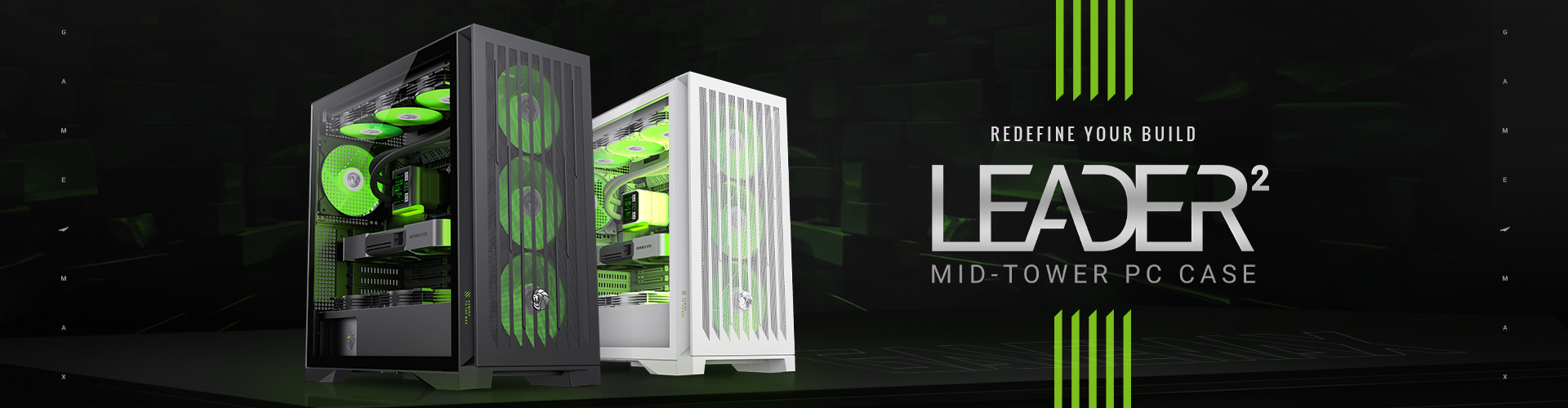

Mini-ITX cases are ultra-compact, built for 170mm×170mm motherboards. Their tiny footprint fits tight spaces like entertainment centers, making them ideal for HTPCs or minimalist setups.
Micro-ATX cases (for 244mm×244mm motherboards) are slightly larger but still more compact than full ATX. They balance space efficiency with extra internal room, avoiding the bulk of larger cases.
Mini-ITX has strict limits: typically 1 PCIe slot, 2 RAM slots, and fewer storage ports. This restricts upgrades or add-ons like sound cards.
Micro-ATX offers 4 RAM slots, extra PCIe slots, and more storage ports—perfect for future upgrades (e.g., adding a second GPU or extra SSDs).
Mini-ITX struggles with heat management. Limited space restricts fan count and airflow; high-performance components risk thermal throttling. While some use liquid cooling or duct designs, these are costlier and less effective than larger setups.
Micro-ATX excels here: more room for multiple fans or larger liquid cooling radiators, plus better air circulation. It’s better for heat-generating systems like gaming PCs.
Mini-ITX components (motherboards, cases, PSUs) cost more due to specialized design and limited supply.
Micro-ATX parts are mass-produced and widely available, making them more budget-friendly.
Mini-ITX cases often have sleek, minimalist designs—some use premium materials like aluminum for a modern look.
Micro-ATX offers versatility, from classic towers to compact styles with features like tempered glass panels to showcase components.
Pick Mini-ITX if you need extreme compactness, prioritize a small footprint, and don’t plan major upgrades.
Choose Micro-ATX for balanced space, better expandability, superior cooling, and lower costs—ideal for upgraders or high-performance builds.
Both have trade-offs, but aligning with your needs (space, upgrades, budget) ensures a PC that fits your lifestyle.

