
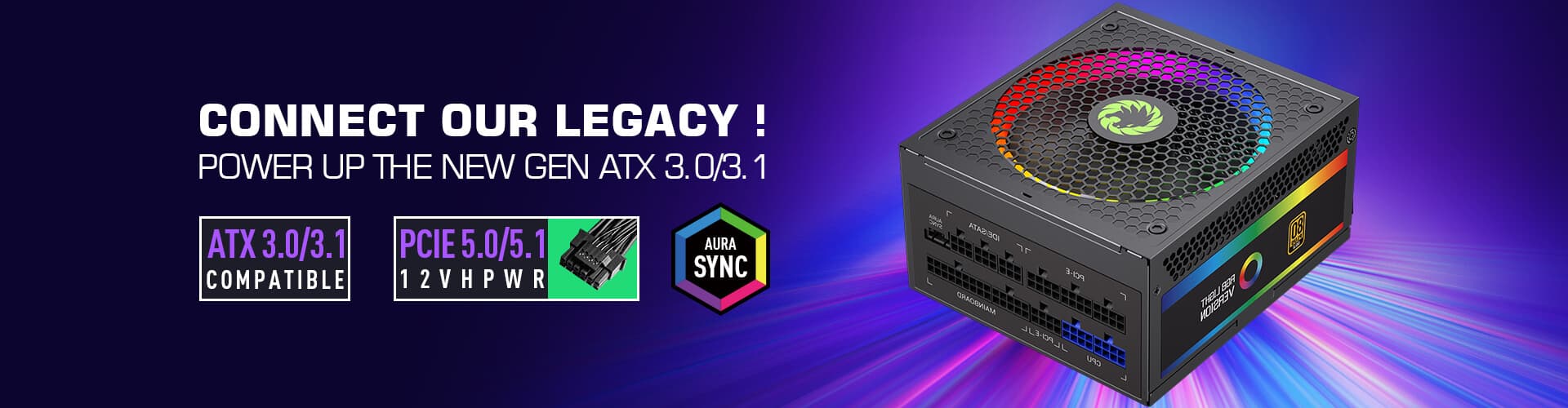
In data centers, creative studios, and even home offices, the noise from power supply units (PSUs) has become a critical factor affecting user experience. Silent power supplies integrate aerodynamics, materials science, and intelligent control technologies to maintain efficient power delivery while reducing operational noise to imperceptible levels for human ears. Let’s analyze the technical secrets behind their low-noise performance from four core dimensions.
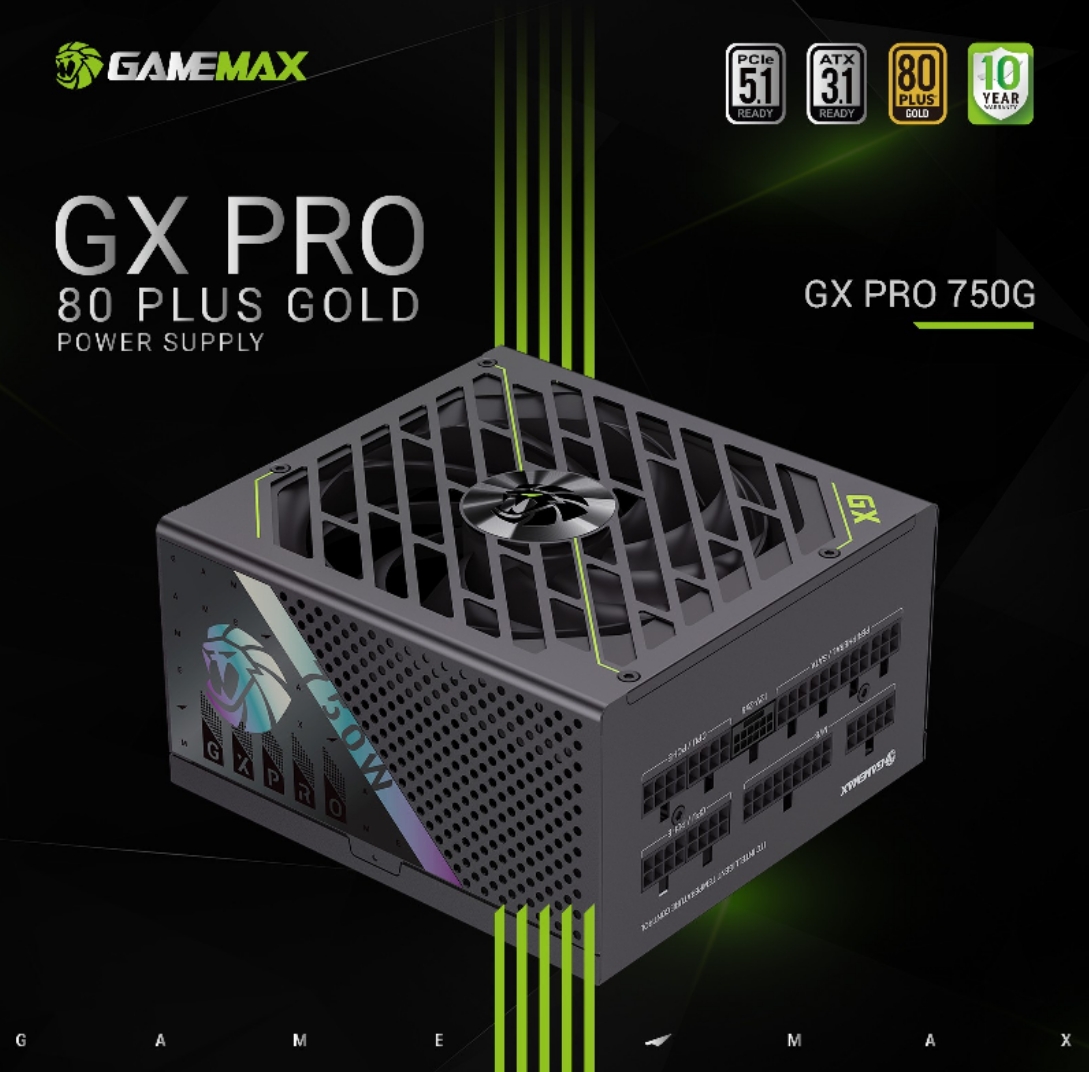
The fan is the primary noise source in PSUs, and silent PSUs employ dynamic airflow management technology for deep optimization. Turbulence caused by high-speed rotation in traditional fans is the main culprit for noise. In contrast, silent PSUs use biomimetic fan blade designs, inspired by the aerodynamic structures of dragonfly wings in nature. The irregular wave-shaped edges of these blades effectively reduce eddy current noise from airflow separation. For example, the 135mm FDB fan in Corsair’s RM series uses 7 biomimetic blades with a 9° inclination angle, achieving a noise level below 18dB while providing 12CFM of airflow.
The intelligent thermal control system is another key breakthrough. Using dual NTC temperature sensors for real-time monitoring, the PSU enables stepless speed regulation from 0-100%. When the internal temperature drops below 40°C, the fan enters zero RPM mode, eliminating mechanical noise entirely. When the temperature exceeds 65°C, the fan accelerates gradually, reducing peak noise by over 40% compared to traditional fixed-speed solutions.
Silent PSUs adopt a three-dimensional air duct system in their internal design. By optimizing the honeycomb arrangement of cooling vents and inclined 导流槽 (guide channels), air resistance is reduced by 30%, minimizing noise from air friction. The casing uses 2mm-thick SECC electrolytic steel plates with an internal sound-absorbing cotton layer, forming a dual-layer soundproof structure that blocks high-frequency vibration transmission effectively. Take Super Flower’s Leadex series as an example: its fully enclosed metal casing with a special damping coating shifts the overall structural resonance frequency away from the human ear’s sensitive range.
Modular circuit layout is another innovation. Separating heat-generating and electromagnetic components improves heat dissipation efficiency and prevents abnormal vibrations caused by electromagnetic interference. Key components are mounted using suspended installations with silicone shock-absorbing pads to isolate them from the casing, cutting off vibration transmission paths and reducing mechanical noise by 50%.
Silent PSUs leverage low-noise materials for core components. The Fluid Dynamic Bearing (FDB) technology revolutionizes traditional fan bearings by using a nanoscale liquid oil film for contactless operation. Compared to sleeve bearings, it reduces the friction coefficient by 82% and noise by 15dB. Internally, low-ESR (Equivalent Series Resistance) electrolytic capacitors are used to improve energy conversion efficiency and suppress electromagnetic vibrations from ripple currents.
New soft magnetic composite materials in inductors and transformers reduce core losses by 40%, effectively minimizing magnetostrictive noise. For instance, PSUs using nanocrystalline cores maintain extremely low magnetic noise even at high-frequency operation.
Advanced digital PWM control chips enable precise regulation of power output, reducing current noise from voltage fluctuations. The interleaved PFC circuit design lowers input current harmonics to below 5%, eliminating abnormal noise caused by grid interference. Additionally, the built-in active EMI filter module uses multi-stage LC filter circuits and metal shielding to keep electromagnetic radiation within FCC Class B standards, removing potential electromagnetic noise hazards.
Some high-end models feature an AI noise management system that dynamically optimizes fan speed, voltage regulation, and cooling strategies through machine learning algorithms. For example, ASUS ROG Loki series PSUs intelligently switch operating modes based on load: silent mode for light loads and balanced mode for heavy loads, achieving the best balance between performance and noise.
As technology evolves, silent PSUs are moving towards ultra-quiet, intelligent, and high-efficiency designs. Future products may integrate innovative technologies like graphene thermal materials and superconducting magnetic levitation fans, further pushing the boundaries of low-noise design. When purchasing, pay attention to fan bearing types (e.g., FDB vs. sleeve), intelligent thermal control functions, and noise certifications (e.g., Cybenetics LAMBDA Quiet Certification) to ensure you get a solution that meets your needs.
By combining aerodynamic innovation, structural precision, material science, and smart controls, silent power supplies redefine what "quiet operation" means in power delivery—proving that high performance and low noise can coexist seamlessly in modern electrical systems.
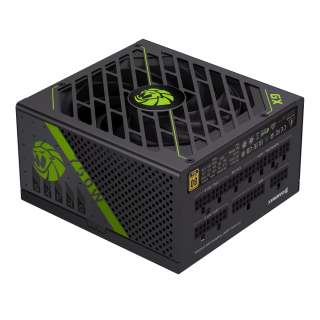
750W 80 Plus Gold ATX3.1 PCIe5.1 power supply with PCIe5.1 12V-2*6 connector for direct RTX™ 40 Series GPU connection, minimizing current loss.
• ATX3.1 & PCIe5.1 ready with 12V-2*6 connector
• LLC MPS1213 Chipset optimizes LLC resonant circuit for high efficiency at all loads
• UP3861 Chip ensures stable 3.3V and 5V outputs with reduced ripple noise
• MPS6924 Chip boosts efficiency via optimized synchronous rectification
• 105℃ Japanese bulk capacitors ensure long life and stable output
• Quiet, temperature-controlled axial fan for efficient cooling
• Seven protection levels: OTP, OCP, SCP, OVP, UVP, OPP, SIP
• Black flat copper output cables for efficient power delivery
• SMT-produced components for fast heat dissipation and stability

