
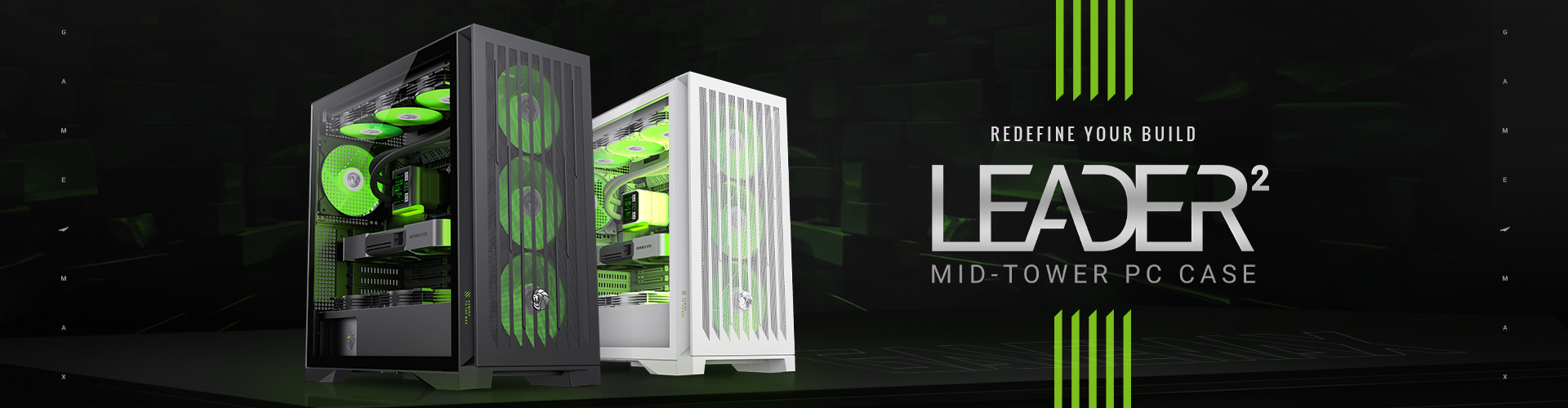
In an era where space efficiency and aesthetic appeal are paramount, wall-mountable PC cases have emerged as a transformative solution for modern computing setups. These cases redefine traditional desktop configurations by integrating seamlessly with living and working environments, offering a blend of functionality, customization, and space-saving design. Below, we explore the key features, design principles, and future trends of this innovative hardware category.
Wall-mountable PC cases address two critical needs: maximizing space in compact living areas and showcasing hardware as a design element. By leveraging vertical real estate, these cases free up desk or floor space, making them ideal for apartments, home offices, or gaming dens. Additionally, their open-frame or glass-paneled designs allow users to display high-end components like RGB-lit cooling systems, custom cable management, and premium motherboards, turning the PC into a visual centerpiece .

Key advantages include:
Space Optimization: Vertical installation reduces clutter and enhances room organization.
Improved Airflow: Many designs prioritize ventilation, with open layouts or strategically placed fans to prevent overheating .
Flexible Customization: Modular designs support diverse motherboard sizes (from Mini-ITX to E-ATX) and cooling solutions, including liquid cooling loops .
Wall-mountable cases often feature VESA-compatible brackets for secure attachment to walls or monitor arms, ensuring stability while minimizing wall damage . Some models include convertible frames that switch between wall-mounted and desktop configurations, offering versatility for users who adapt their setups frequently .
Metal Frames: Durable steel or aluminum provides strength and heat dissipation, ideal for heavy-duty builds .
Tempered Glass: Transparent panels allow component visibility while maintaining structural integrity .
Eco-Friendly Options: Recycled materials and sustainable manufacturing processes align with modern environmental standards .
To maintain a clean aesthetic, designers integrate hidden channels or modular trays for cable routing. Solutions like zip ties, Velcro straps, or magnetic clips help organize wires without drilling into walls .
Open-air or mesh-fronted cases promote natural convection, while multi-fan support (up to 18 fans in some models) ensures optimal cooling . Strategic vent placement and removable dust filters balance airflow with maintenance ease .
Advanced models accommodate radiators up to 480mm in size, supporting custom water-cooling loops for high-performance CPUs and GPUs. Some designs even include built-in reservoirs or pump mounts for streamlined installations .
Emerging trends include AI-driven thermal management, where sensors adjust fan speeds based on real-time temperature data. These systems reduce noise and energy consumption while maintaining peak performance .
Wall-mountable cases cater to a wide range of form factors, from compact Mini-ITX builds to full E-ATX systems. They often feature adjustable PCIe slots for vertical GPU mounting, enhancing both aesthetics and airflow .
Many models offer flexible drive bays for SSDs and HDDs, with modular trays that can be reconfigured to accommodate larger GPUs or additional cooling hardware .
Users can rearrange internal components (e.g., power supply, drives) to suit specific needs, such as prioritizing storage or maximizing cooling efficiency. Some cases even allow for dual-chamber designs to separate heat-generating components .
Most cases include wall-mount brackets, but third-party options like adjustable steel mounts or under-desk brackets offer additional flexibility. It’s crucial to ensure wall studs or reinforced surfaces can support the case’s weight (typically 10–22 kg) .
Quick-release panels and screwless drive trays simplify component installation, while hinged glass panels provide easy access for upgrades or cleaning .
Regular cleaning is essential for open-air designs. Removable dust filters and anti-static coatings help mitigate dust accumulation, prolonging component lifespan .
Upcoming models may incorporate IoT connectivity, enabling users to monitor and control cooling, lighting, and power consumption via mobile apps. This aligns with the broader trend of smart home integration .
Manufacturers are increasingly using recycled materials and energy-efficient production processes. For example, some cases feature aluminum frames made from post-consumer waste .
Advanced RGB lighting systems and interchangeable panels allow users to match their PC’s appearance to room decor or personal style. Future designs may even include OLED displays for real-time system metrics .
Wall-mountable PC cases represent a fusion of engineering innovation and user-centric design. By prioritizing space efficiency, cooling performance, and aesthetic appeal, they cater to the needs of modern PC enthusiasts who demand both functionality and style. As technology evolves, these cases will continue to push boundaries, integrating smarter cooling systems, sustainable materials, and seamless connectivity to redefine the future of desktop computing. Whether for gaming, content creation, or industrial applications, wall-mountable PC cases offer a versatile and visually striking solution for the next generation of builds.

