
NVIDIA's RTX 3090, a high-performance graphics card, excels in 4K gaming and intensive tasks like 3D rendering. Yet, its heat output sparks concerns—many users notice temps over 80°C during gaming. Is this normal?

Graphics card temps vary by usage:
Idle: 30°C–50°C (minimal load)
Light use (browsing, office work): 50°C–65°C
Gaming/high load: 65°C–85°C (standard for most GPUs)
Dangerous: Over 90°C (risks performance issues or damage)
The RTX 3090, with 24GB VRAM and high core frequencies, generates significant heat under load. Hitting 80°C–85°C in demanding scenarios—like 4K gaming with Cyberpunk 2077’s ray tracing—is typical and acceptable.
Key factors affecting temps:
Cooling design: Premium models with larger heatsinks, extra fans, or advanced heat pipes run cooler (some below 80°C under load).
Case airflow/environment: Poor ventilation traps hot air, raising temps. Warm rooms exacerbate this.
Task intensity: AAA games or rendering stress the GPU more than casual use, driving temps up.
Prolonged high temps (over 85°C) can:
Throttle performance: GPUs reduce speed to cool down, lowering frame rates.
Cause instability: Lead to crashes, freezes, or visual glitches.
Shorten lifespan: Accelerate hardware aging.
If temps exceed 85°C regularly:
Clean dust: Clear debris from fans and heatsinks to improve airflow.
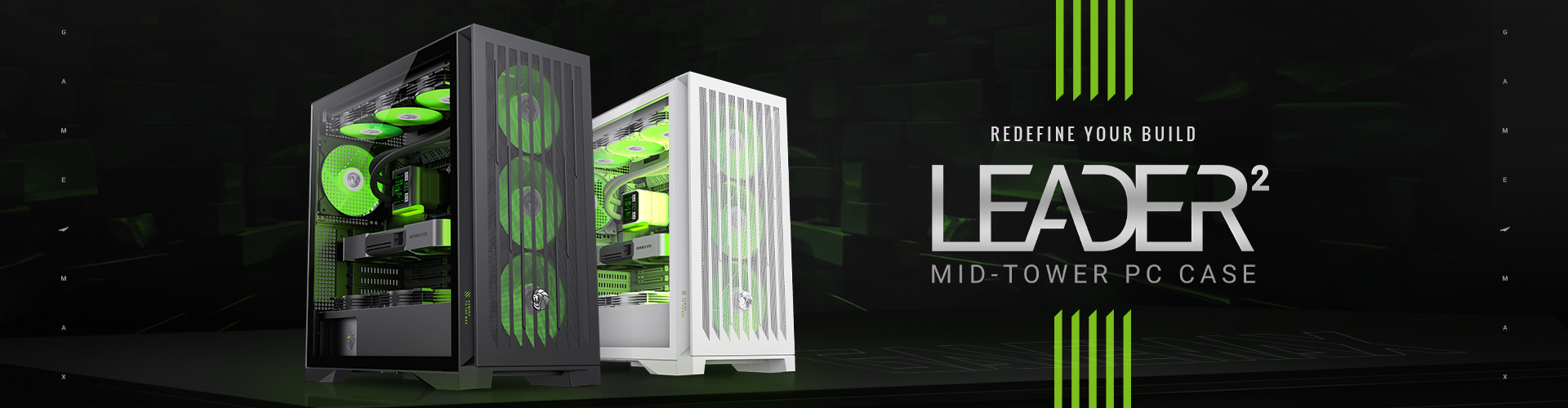
Optimize case airflow: Ensure proper intake/exhaust fans to circulate cool air.
Replace thermal grease: Refresh old grease to enhance heat transfer.
Adjust fan speeds: Use software like MSI Afterburner to increase fan activity (balances noise and cooling).
Lower graphics settings: Reduce resolution, disable ray tracing, or tweak effects to lighten GPU load.
In summary, 80°C+ is normal for the RTX 3090 under heavy load, but monitor temps closely. With proper cooling, you’ll maintain performance and extend the card’s life.

