
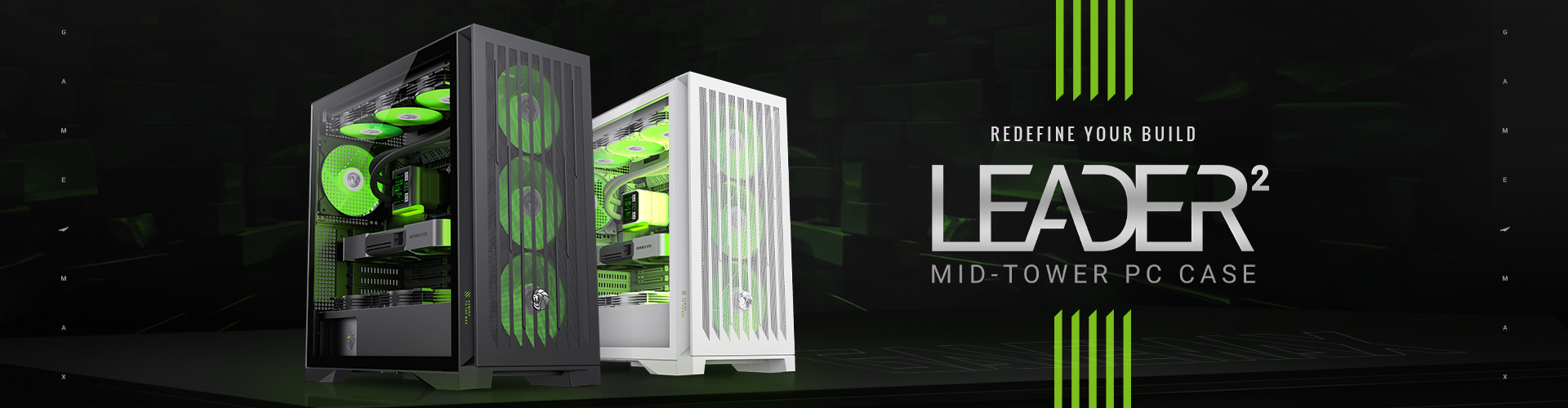
Selecting the right full tower ATX case establishes the foundation for a successful build. The enclosure determines not just what components fit today, but what upgrades remain possible in the future. As we move through 2025, the full tower market has matured significantly, with options ranging from budget-friendly workhorses to premium showcase pieces. This comprehensive review examines the best options across price points and use cases.
ATX remains the dominant motherboard form factor for enthusiast builds, and full tower cases designed around ATX optimize the balance between capability and size. These cases support ATX as the primary configuration while accommodating larger E-ATX boards and smaller micro-ATX or mini-ITX options. The seven expansion slots standard to ATX motherboards align perfectly with full tower slot counts, enabling dual-GPU configurations or multiple add-in cards.
The full tower designation ensures generous clearance for ATX components. CPU cooler height limits rarely constrain builds in this category. GPU length becomes a concern only with the longest custom cards. The primary benefits extend beyond basic fitment: full towers provide the airflow volume and radiator space that high-end ATX builds increasingly require.
Power Supply Clearance: High-wattage ATX PSUs for gaming builds often exceed standard 140mm depth. Full towers should accommodate 180mm or longer units, providing flexibility for premium power supplies with extended warranties and higher efficiency ratings.
CPU Cooler Height: Air coolers for high-TDP CPUs can reach 170mm tall. Full towers must provide this clearance while accounting for top-mounted radiators. Cases with interference between top fans and tall coolers fail to deliver claimed capabilities.
Storage Configuration: Modern ATX builds balance NVMe speed with bulk storage capacity. Full towers should offer flexible drive mounting—removable cages for airflow optimization, dedicated SSD positions behind the motherboard tray, and 3.5-inch bays with vibration isolation.
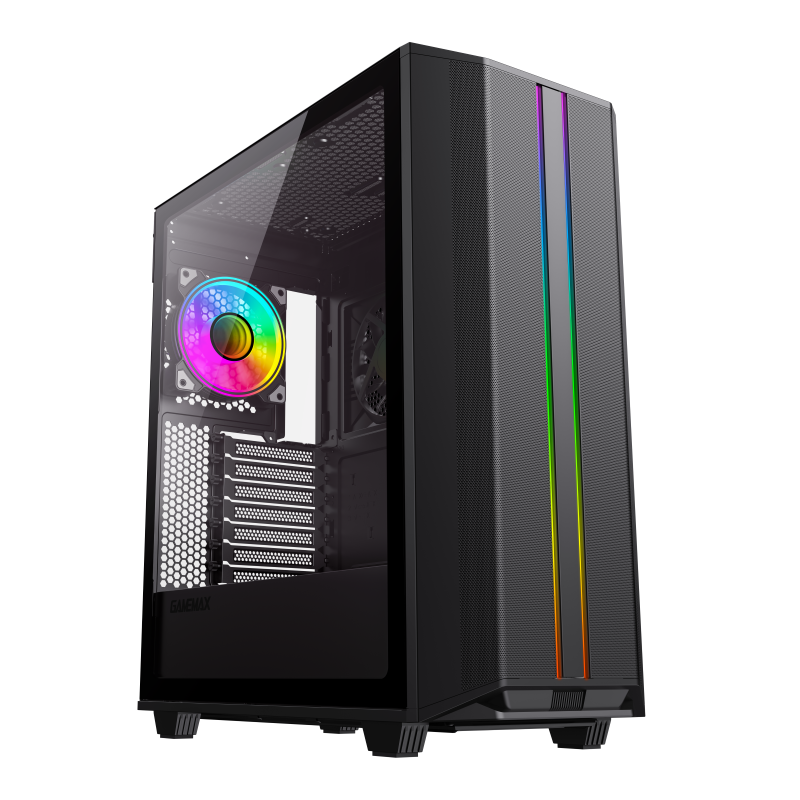
The Precision 2 BK balances professional aesthetics with gaming capability. The understated black finish suits both office environments and gaming setups without drawing unwanted attention. Internal layout prioritizes ATX builds with dedicated cable routing channels and tool-free drive installation. Cooling flexibility includes 360mm radiator support in multiple positions, with front panel mesh ensuring adequate intake airflow even under sustained loads.
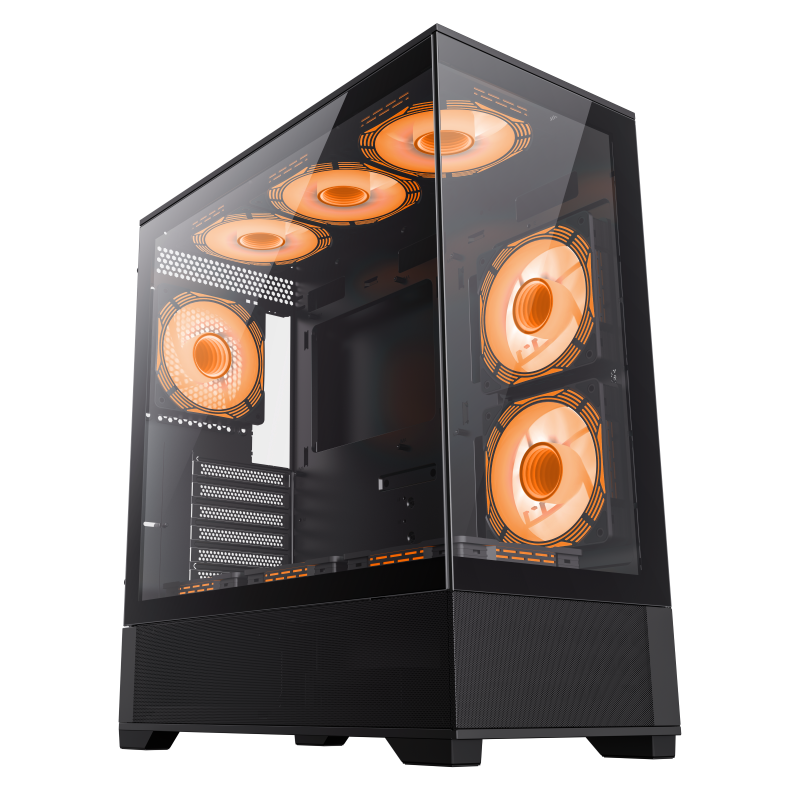
Showcase builders will appreciate the Vista AB's emphasis on visual presentation. Dual tempered glass panels expose the full interior from multiple angles, making this case ideal for builds featuring extensive RGB lighting or custom water cooling loops. Despite the glass focus, thermal performance remains solid with mesh top panel options and multiple fan positions. The layout accommodates E-ATX motherboards with room for thick front radiators.
Thermal testing reveals significant variation between similarly sized cases. Panel material and fan positioning affect temperatures more than internal volume. Solid glass front panels restrict intake airflow despite aesthetic appeal. Mesh fronts improve temperatures by 5-10 degrees Celsius under sustained GPU load.
The optimal ATX configuration pairs front intake with rear and top exhaust. This path draws cool air across the GPU and VRM zones before exiting. Bottom intake fans provide additional GPU cooling but require elevated case placement. Positive pressure prevents dust buildup and reduces cleaning frequency.
Panel thickness and material quality directly impact both durability and acoustic performance. Cases using 0.8mm SPCC steel resist flex and dampen vibration better than thinner alternatives. Tempered glass should be minimum 4mm thick; thinner panels risk cracking during installation and lack the premium feel of proper glass.
Tool-free mechanisms indicate design investment beyond surface appearance. Side panels that attach securely without tools, drive bays that release with a simple lever, and cable management covers that stay in place all contribute to a positive building experience. Cases that frustrate during assembly rarely improve during use.
Full tower ATX cases span an enormous price range. Budget options under $100 provide the space without premium features—functional but lacking refined cable management or quality materials. The $150-250 range represents the sweet spot for most builders, offering solid construction, tempered glass, and comprehensive cooling support.
Premium cases exceeding $300 deliver exceptional build quality and distinctive aesthetics but require genuine need for their capabilities. Consider whether you'll use the features you're paying for: extensive radiator support means nothing if you're air cooling, and showcase glass panels serve no purpose in under-desk placements.
ATX builds evolve over time. A case purchased today may host components that don't exist yet. Full towers provide headroom for future expansion: additional storage, GPU upgrades, cooling improvements, or complete rebuilds with newer platforms.
Consider your likely upgrade trajectory. If you anticipate adding water cooling, prioritize radiator capacity. If storage expansion is likely, verify drive bay flexibility. If GPU upgrades are planned, ensure clearance for longer cards with front-mounted radiators. The case should accommodate your future, not just your present.
For most ATX builders, cases in the $150-250 range offer the best value proposition. These provide quality construction, adequate cooling, and upgrade flexibility without paying for features you won't use. Match your case choice to your build priorities: thermal performance for high-wattage components, aesthetics for showcase builds, or versatility for systems that will evolve significantly over time.
The GameMax options reviewed here cover the spectrum from professional understatement to showcase drama. Each delivers the core full tower capabilities that ATX builds require: component clearance, cooling flexibility, and build quality that justifies the investment. Choose based on your specific needs rather than generic popularity rankings.

