
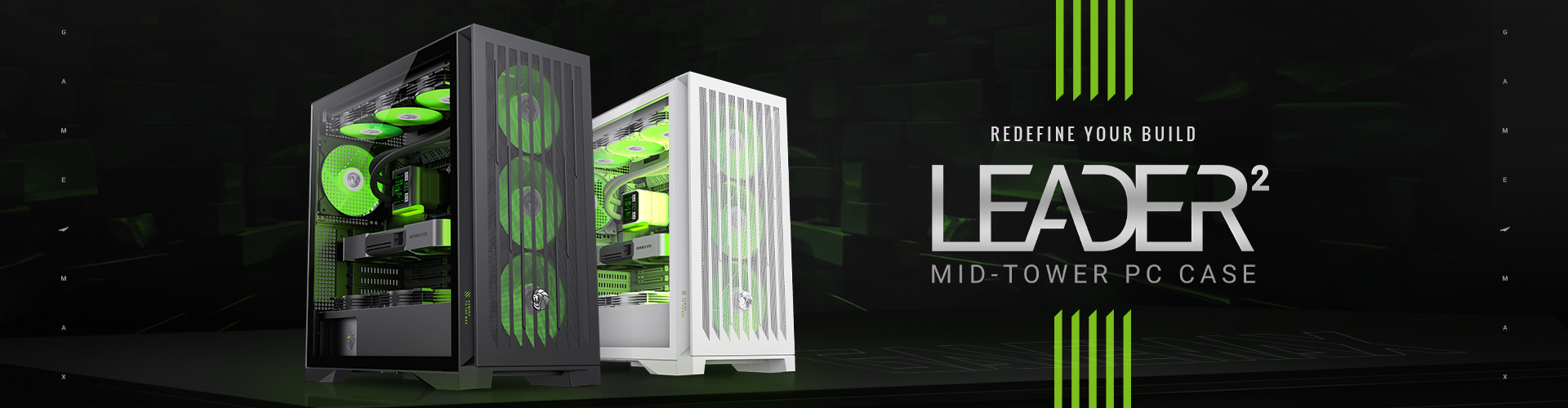
Full-size PC tower cases represent the gold standard for PC enthusiasts building powerful workstations or high-end gaming rigs. These spacious enclosures offer maximum flexibility for component selection, cooling configurations, and system customization. Whether you're assembling a professional content creation workstation, a competitive gaming powerhouse, or a silent home theater PC, understanding what full-size towers offer helps you make informed decisions that match your specific requirements.
The distinction between full tower and mid-tower cases extends beyond mere dimensions. Full-size towers typically measure over 500mm in height and provide additional drive bay locations, expanded motherboard tray options, and superior cooling potential. These advantages come with trade-offs including larger physical footprint, increased weight, and typically higher price points. However, for users requiring maximum expandability or planning dual-system configurations within a single enclosure, full towers deliver capabilities that smaller cases simply cannot match.
Modern full tower cases have evolved significantly from the beige boxes of past decades. Today's premium enclosures combine structural integrity with sophisticated thermal management, cable routing innovation, and aesthetic appeal that showcases internal components. The internal architecture typically supports E-ATX and even SSI-EEB server motherboards alongside standard ATX and micro-ATX configurations, providing genuine versatility for users with diverse component requirements.
Motherboard tray designs in current full towers incorporate extensive cutouts for rear-access CPU cooler mounting, generous cable routing channels behind the motherboard, and dedicated compartments for storage drives. These features dramatically simplify assembly and future upgrades while ensuring clean builds with optimal airflow. The additional depth compared to mid-tower cases creates natural separation between heat-generating components, reducing thermal interference and enabling more efficient cooling configurations.
Drive bay configurations in full-size towers accommodate multiple 3.5-inch and 2.5-inch drives without sacrificing interior space for cooling hardware. This proves particularly valuable for users running storage-heavy workloads including video editing, file servers, or game libraries requiring multiple drives. Removable drive cages provide flexibility to sacrifice storage capacity for enhanced airflow or additional radiators when cooling demands take priority.
The expanded interior volume of full tower cases creates natural advantages for thermal management. Additional space between components reduces heat recirculation and allows cool air to reach critical areas before warming significantly. Most premium full towers support multiple 360mm radiator mounts across the top, front, and sometimes bottom or rear positions, enabling custom loop cooling enthusiasts to implement sophisticated cooling solutions that mid-tower enclosures cannot accommodate.
Air cooling benefits equally from full tower architecture. Support for fans ranging from 120mm to 200mm across multiple positions enables high-volume airflow configurations that maintain cool temperatures even under sustained heavy loads. The additional room allows taller CPU coolers exceeding 160mm in height, accommodating premium air cooling solutions that deliver excellent performance without the complexity of liquid cooling systems.
Filtration systems in modern full towers address the increased airflow potential with comprehensive dust protection. Magnetic filters on front and bottom intakes, alongside dedicated PSU filtration, keep internal components clean during extended operation. Removable filter designs simplify maintenance while maintaining aesthetic integration with overall case design. This becomes increasingly important as higher airflow configurations inevitably move more air containing particulate matter through the system.
Full tower cases provide genuine forward compatibility with emerging technologies and future upgrades. Additional PCIe slots, rear I/O expansion, and mounting positions for next-generation components exceed what mid-tower designs can accommodate. For users planning long-term system investment, this expandability justifies the larger footprint and ensures the case remains relevant through multiple component upgrade cycles.
Rear connectivity has expanded dramatically in recent years with USB 4, Thunderbolt 4, and high-speed USB-C becoming standard features. Full towers typically offer more rear ports than compact designs, accommodating users with multiple high-bandwidth peripherals or specialized professional equipment requiring specific connection types. The additional rear expansion also supports legacy devices that newer systems are gradually eliminating from standard configurations.
GPU clearance in full towers routinely exceeds 400mm, accommodating triple-slot graphics cards and multi-GPU configurations that professional workflows demand. This becomes essential for users running compute-intensive applications including machine learning, video rendering, or cryptocurrency operations that benefit from multiple graphics processors operating simultaneously.
Premium full tower cases employ steel thicknesses exceeding 0.8mm for structural integrity that resists flex and vibration. Combined with aluminum panels, tempered glass components, and injection-molded plastics, these enclosures balance weight management with durable construction. The investment in quality materials translates directly to longevity and consistent performance across years of daily use.
Tempered glass side panels have become standard in gaming-focused full towers, providing unobstructed views of internal components and RGB lighting systems. High-quality tempered glass resists scratching and maintains clarity over time while adding negligible weight compared to traditional steel or acrylic alternatives. The aesthetic appeal of displaying carefully curated internal components has made tempered glass a defining feature of modern gaming case design.
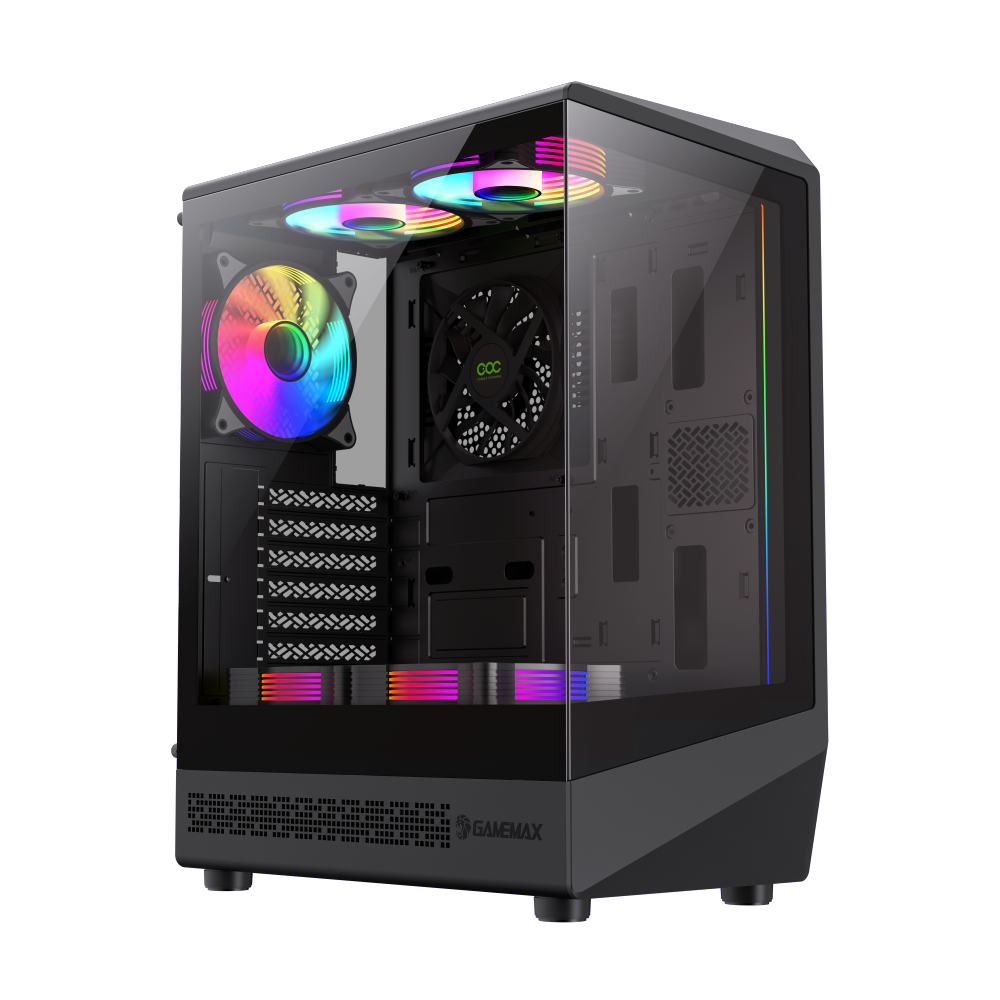
The Vista COC AB represents innovative thinking in full tower design with its Chassis Open Frame concept that maximizes airflow throughout the entire enclosure. This approach eliminates traditional barriers between intake and exhaust zones, allowing air to flow unimpeded across all components. The spacious interior accommodates E-ATX, ATX, M-ATX, and ITX motherboards with dedicated cable management channels keeping builds clean and organized.
Pre-installed with four RGB fans, the Vista COC AB delivers immediate high-performance cooling from unboxing. The tempered glass side panel showcases internal components and lighting effects beautifully. Combined with support for 360mm radiators and substantial GPU clearance, this case handles demanding workloads while maintaining accessible pricing for enthusiasts entering the full tower market.
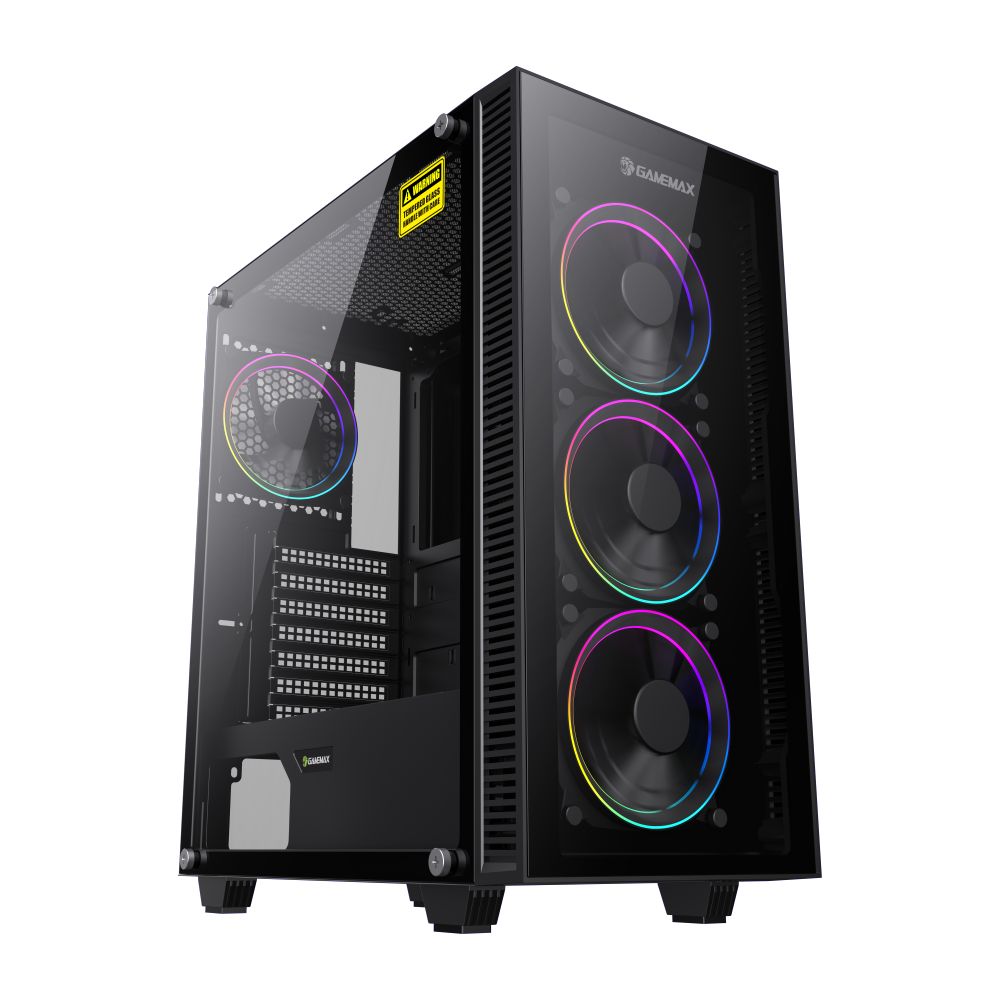
The Draco XD pushes cooling potential to extreme levels with support for up to nine case fans and multiple 360mm radiator positions throughout the chassis. This cooling flexibility accommodates the most demanding processor and graphics card combinations while maintaining whisper-quiet operation through carefully designed fan curves and noise-dampening materials.
Modular drive bays allow configuration changes between maximum storage capacity and optimized cooling paths without permanent modifications. The comprehensive dust filter system protects components during extended operation while maintaining the clean aesthetics that enthusiasts demand. USB 3.0 connectivity provides fast peripheral access for external storage and professional devices.
Full tower cases serve users with specific requirements including maximum expandability, superior cooling potential, and premium aesthetics. The larger physical footprint requires dedicated desk or floor space, while premium pricing reflects enhanced materials and features. For professional workstations, extreme gaming builds, or systems requiring substantial storage and cooling flexibility, full towers deliver unmatched capability that justifies the additional investment.
Consider your actual requirements honestly before committing to full tower dimensions. Users with standard gaming needs and limited space may find mid-tower cases provide sufficient capability without the spatial commitment of full-size towers. However, those building dream systems without compromise will find full tower cases deliver the flexibility and future-proofing that maximum-performance computing demands.

