
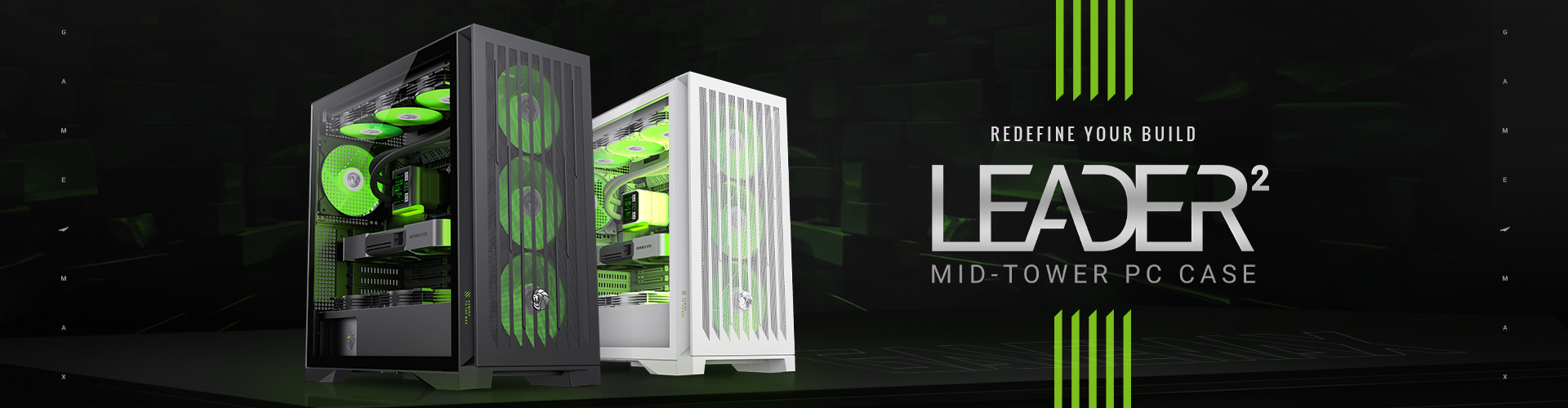
Extended ATX motherboards exceed standard ATX dimensions to provide additional PCIe slots, enhanced power delivery systems, and the feature density that enthusiast and workstation builds demand. Full tower cases provide the motherboard tray dimensions, stand-off patterns, and clearance that E-ATX boards require for proper installation and operation. Matching case capability to motherboard format ensures successful builds.
E-ATX specifications allow significant dimension variation, with boards ranging from 305mm width matching standard ATX to over 330mm widths that extend toward the drive cage area. The height typically remains at standard ATX 244mm or extends slightly to accommodate additional components. Dimension verification prevents compatibility surprises.
S-ATX and XL-ATX represent intermediate formats between standard ATX and full E-ATX, with dimensions that may fit cases marketed as ATX compatible. Understanding the exact motherboard dimensions rather than relying on format names ensures accurate case selection. Measurement precision prevents costly compatibility errors.
Stand-off pattern variations affect case compatibility because E-ATX boards may require mounting points that standard cases do not provide. Full tower cases designed for E-ATX include the additional stand-offs that secure oversized boards properly across their full surface. Mounting support determines installation success.
Side panel clearance must accommodate the extended motherboard width plus any components mounted at board edges, including tall heatsinks, M.2 drives, and RGB controllers. Full tower cases provide the interior width that prevents interference between side panels and motherboard components. Width measurements must include component height.
Cable routing to the right side of E-ATX boards requires planning because the extended width reduces the space between board edge and cable management openings. Cases designed for E-ATX position pass-throughs appropriately for oversized boards while maintaining cable access. Cable routing design affects build cleanliness.
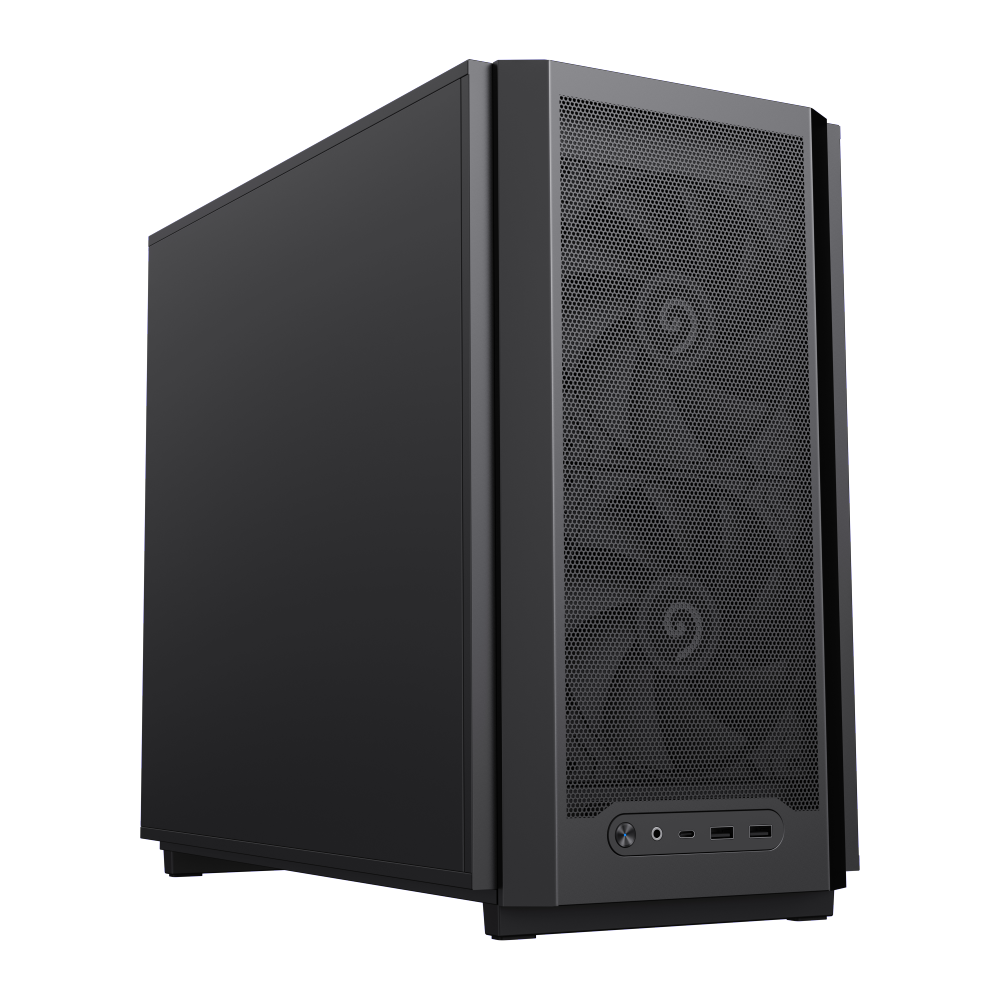
F36 Dark offers the motherboard tray dimensions and interior clearance that E-ATX installations require. The generous proportions accommodate extended boards plus the components and cooling solutions that high-end builds demand.
Power supply interference potential exists when E-ATX boards extend toward the PSU area, potentially conflicting with power cables or modular connectors. Full tower cases designed for E-ATX position PSU mounts with adequate clearance for oversized boards. PSU positioning affects board compatibility.
CPU cooler height limitations may be affected by E-ATX positioning when board placement shifts relative to case structure, though most full towers maintain specified cooler clearance regardless of board format. Verifying cooler compatibility with E-ATX installation prevents disappointment during build assembly. Height clearance should be verified.
Graphics card installation on E-ATX boards benefits from the additional PCIe slot spacing that some boards provide, allowing better airflow between multiple GPUs or preventing interference with motherboard components. Full tower cases complement E-ATX capabilities with the GPU clearance that multi-card arrangements require. PCIe layout optimization improves thermal performance.
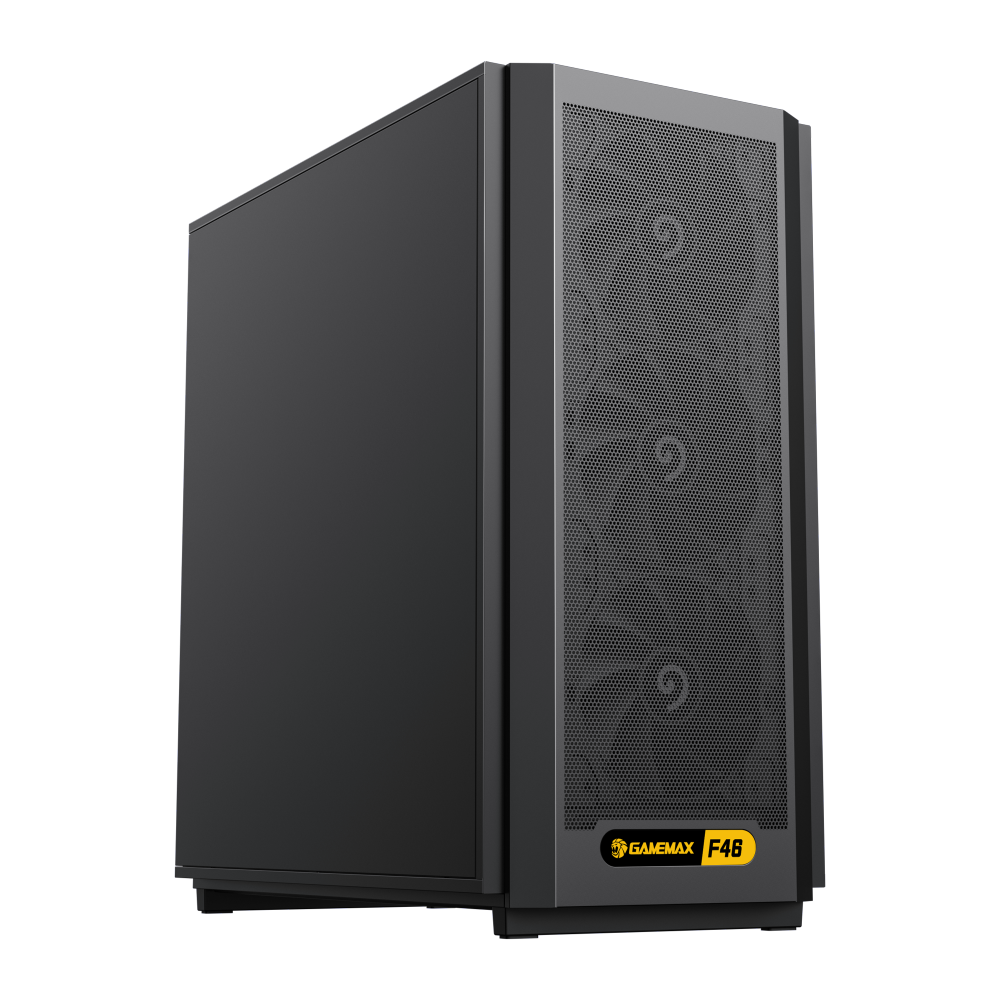
F46 Dark demonstrates the component accommodation capabilities that E-ATX motherboard installations require. The spacious interior supports oversized motherboards plus the graphics cards and cooling systems that enthusiast builds combine.
Multiple PCIe x16 slots on E-ATX boards enable configurations that standard boards cannot support, including quad-GPU setups, multiple NVMe expansion cards, and professional accelerator cards. Full tower cases provide the expansion slot covers and physical space that these configurations require. Expansion density justifies E-ATX investment.
Enhanced VRM designs on E-ATX motherboards provide the power delivery that overclocked CPUs and multiple GPUs demand, with larger heatsinks and more phases than standard boards offer. The thermal management these components require benefits from full tower airflow capacity. Power delivery capability scales with board size.
Onboard features expand with E-ATX dimensions to include additional M.2 slots, integrated I/O shields, advanced audio implementations, and the diagnostic tools that enthusiast boards provide. These features require case clearance for component height and cable connections. Feature density rewards E-ATX investment.
Custom water cooling configurations complement E-ATX builds by providing the thermal management that multi-GPU and overclocked CPU setups demand. Full tower cases accommodate the radiator sizes, reservoir mounting, and tubing routing that complex loops require. Water cooling potential increases with case size.
AIO cooler compatibility remains important even in builds that initially use air cooling, as future upgrades may require 360mm or 420mm radiator mounting. Full towers designed for E-ATX typically include extensive radiator support for both CPU and GPU cooling needs. Cooling upgrade paths preserve build flexibility.
Fan controller and RGB hub mounting locations multiply in E-ATX builds due to the additional components that oversized boards often include. Full tower cases provide the hidden mounting locations that keep controllers accessible but unobtrusive. Controller accommodation simplifies cable management.
Motherboard installation sequence matters for E-ATX because the board size may affect access to mounting positions that would be easily reachable with smaller boards. Planning installation order prevents the rework that poor sequencing creates. Build planning saves assembly time.
Power supply installation timing may need adjustment when E-ATX boards extend into PSU cable routing areas, making PSU access difficult after board installation. Full tower designs may provide PSU access from multiple angles to accommodate various board formats. Installation planning prevents access problems.
Cable management strategy should account for the additional front panel headers, fan connections, and component cables that E-ATX boards typically incorporate. Full tower cable management space provides the capacity that complex builds require for clean routing. Cable planning improves final appearance.
E-ATX motherboard premiums reflect the additional features, enhanced power delivery, and expanded capability that larger boards provide. Full tower cases complement these investments with the accommodation that enables utilizing all features without compromise. Case and motherboard investment should match.
Longevity benefits from E-ATX flexibility include the expansion options that oversized boards preserve for future upgrades that smaller boards cannot accommodate. The combination of E-ATX board and full tower case creates platform longevity that justifies initial investment. Future-proofing value accumulates over time.
Resale value retention for E-ATX motherboards and full tower cases remains strong among enthusiast buyers who appreciate the capabilities these products provide. Premium components hold value better than budget alternatives, partially offsetting the higher initial cost. Investment recovery improves total ownership economics.

