
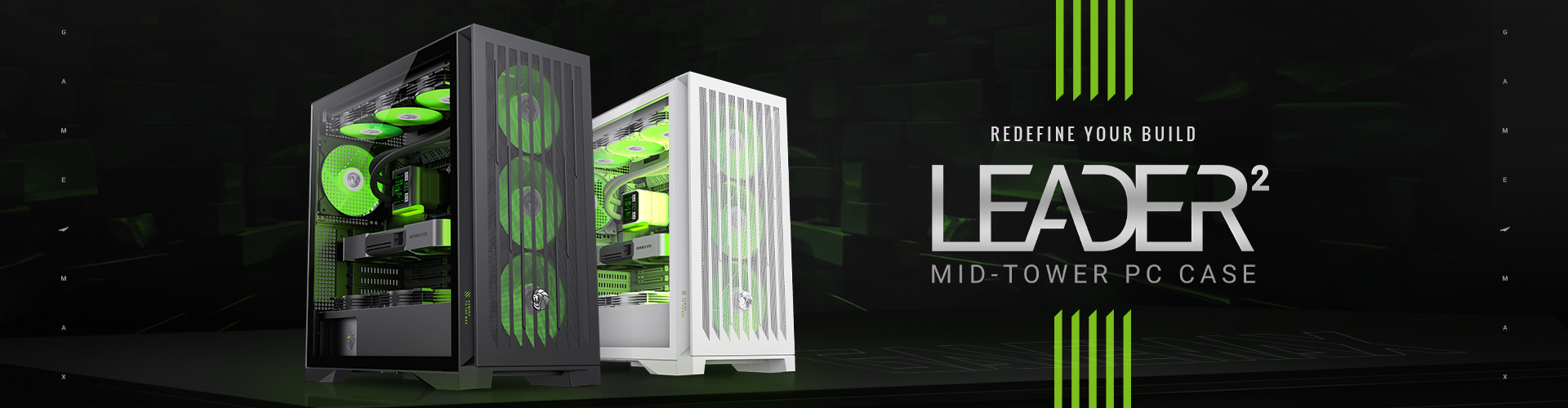
The debate between full tower and mid tower cases has been around for decades, and it's not getting any simpler. With modern hardware pushing thermal limits and aesthetic expectations higher than ever, choosing the wrong case size can mean the difference between a smooth build experience and months of frustration. Let's break down when each makes sense.
Here's the thing: the "tower" designation has become somewhat arbitrary. A case marketed as "mid tower" today might offer more space than a "full tower" from five years ago. What matters is how the case accommodates your specific components, not the marketing label. That said, understanding the traditional distinctions helps narrow your options.
| 特性 | Full Tower | Mid Tower |
|---|---|---|
| 高度 | 22-27 inches | 17-21 inches |
| 主板支持 | E-ATX / ATX / M-ATX / ITX | ATX / M-ATX / ITX |
| GPU空间 | 400mm+ | 320-380mm |
| 散热器支持 | 420mm / 多个360mm | 顶部360mm / 前置280mm |
| 硬盘位 | 8-12个 | 4-6个 |
| 桌面空间 | 需要较大空间 | 适合标准桌面 |
| 价格区间 | $150-400+ | $80-200 |
Full tower cases shine in specific scenarios where their extra space translates to real benefits. If you're building a workstation that needs multiple GPUs for rendering or machine learning, the additional PCIe slots and cooling capacity matter enormously. Custom water cooling loops with multiple radiators also benefit from the expanded mounting options.
Content creators working with large storage arrays should consider full towers. The ability to mount 8+ drives internally means your NAS-grade storage doesn't require external enclosures. Similarly, if you're building a server-grade system with redundant power supplies or extended ATX motherboards, full tower is your only realistic option.
Enthusiasts who upgrade frequently also benefit from full tower's roomier interiors. Swapping components, managing cables, and testing configurations becomes significantly easier when you're not fighting for workspace inside the chassis. The extra fan mounting positions let you fine-tune airflow for each new component configuration.
Most gamers don't need full tower capacity. A single high-end GPU, standard ATX motherboard, and typical storage configuration fits comfortably in quality mid tower cases. The smaller footprint means more desk space for monitors, peripherals, and the inevitable clutter of daily computing.
Mid towers have matured significantly in cooling capability. Modern designs with mesh front panels and thoughtful airflow paths can handle 400W+ GPU/CPU combinations without thermal throttling. The idea that serious gaming rigs require full towers is outdated—today's mid towers cool as effectively as yesterday's full towers.
Cost efficiency favors mid towers for typical builds. You're not paying for unused expansion slots, unnecessary drive bays, or excess material. The savings can go toward better components: a faster GPU, more RAM, or higher-quality storage that actually impacts your experience.
Weight matters more than you might think. Full towers with components installed can exceed 40 pounds. Moving one for cleaning, cable management, or LAN parties becomes a genuine physical task. Mid towers typically stay under 30 pounds fully loaded—noticeably easier to handle.
Desk compatibility often gets overlooked until the case arrives. Measure your available space, including clearance for front panel connections and rear cable routing. A full tower that extends past your desk edge isn't just inconvenient—it's a stability hazard.
Airflow dynamics differ between form factors. Full towers have more internal air volume, which can actually work against you if fans aren't positioned correctly. The larger space requires more strategic fan placement to create effective airflow paths. Mid towers, with their reduced volume, often achieve better airflow with fewer fans simply because there's less space for air to stagnate.
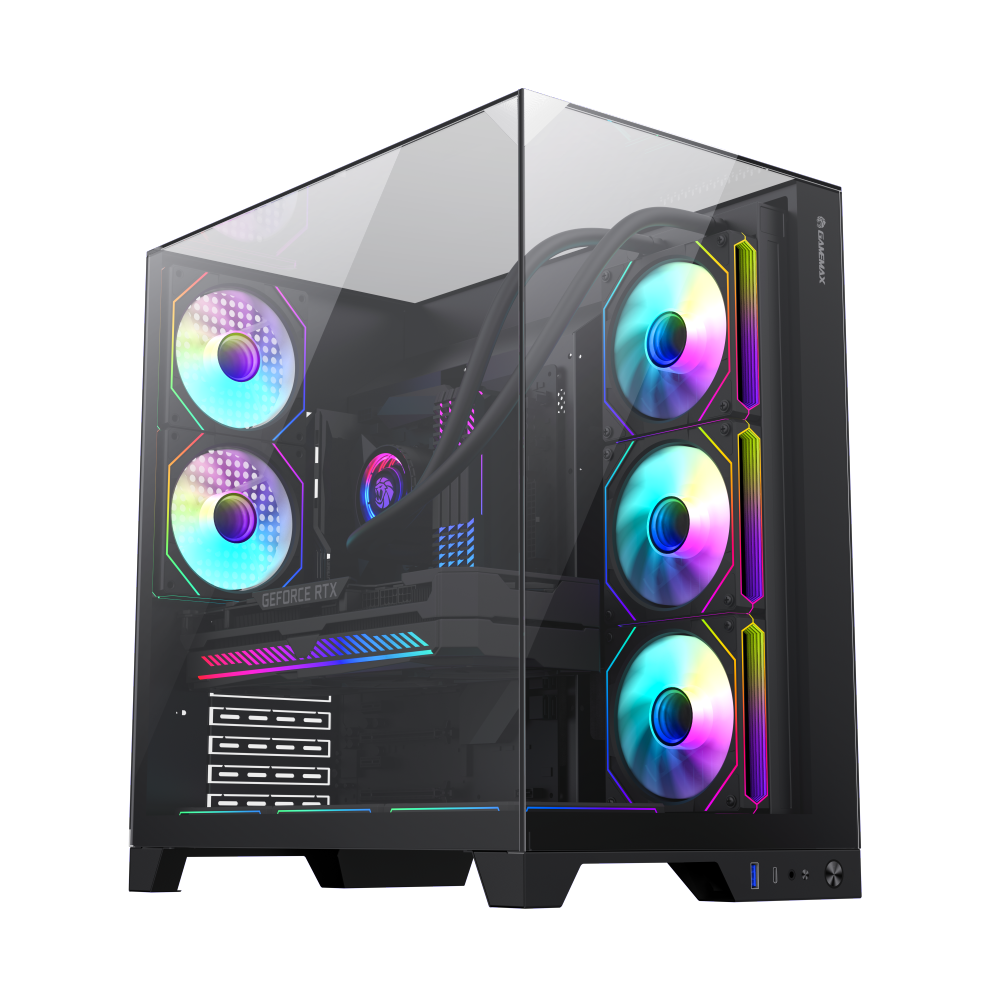
The Infinity Plus BK offers excellent expansion capability in a manageable footprint. Supporting ATX, M-ATX, and ITX motherboards with generous GPU clearance, this case bridges the gap between mid and full tower functionality. The airflow-oriented design and spacious interior make it ideal for builders who want upgrade flexibility without committing to a full tower's desk footprint.
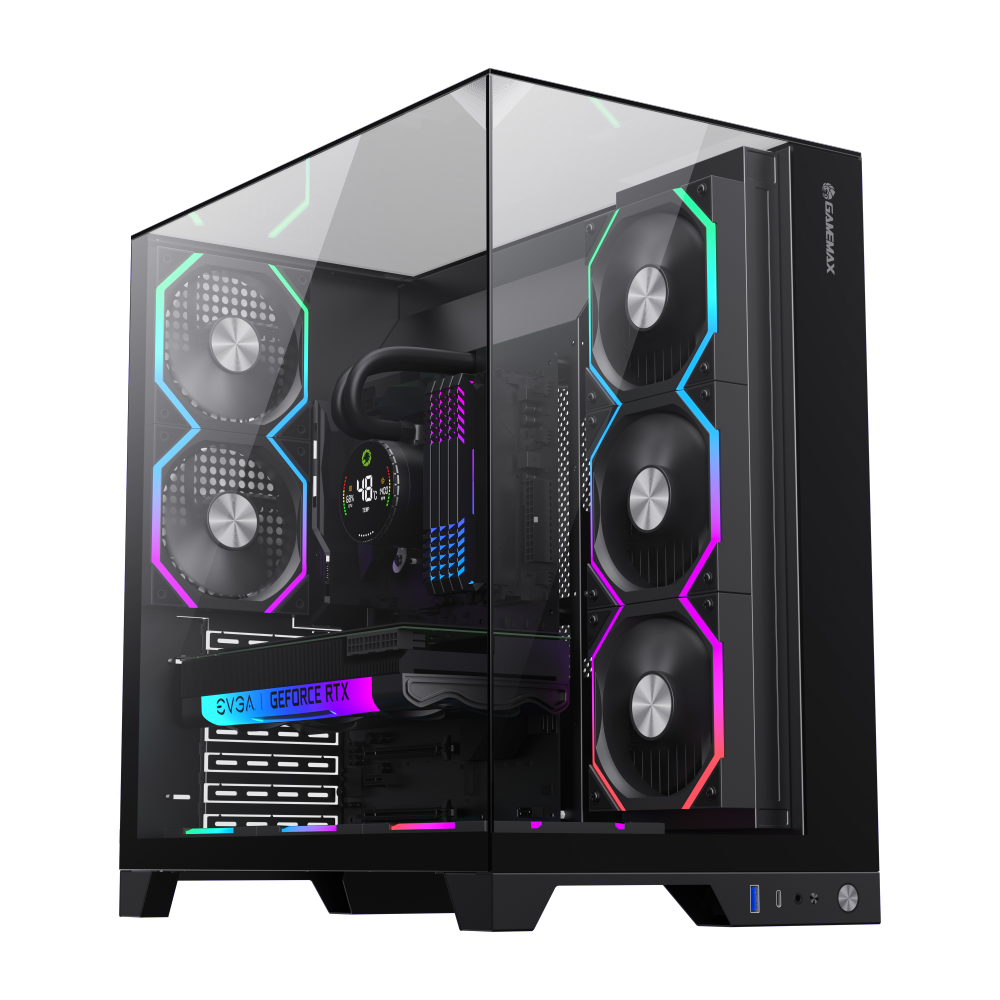
The Infinity Pro BK delivers premium features in a refined mid-tower package. With three tempered glass panels for showcasing your build and excellent cooling support, this case proves you don't need full tower dimensions for full tower aesthetics. The panoramic design creates stunning visual impact while maintaining practical airflow and cable management.
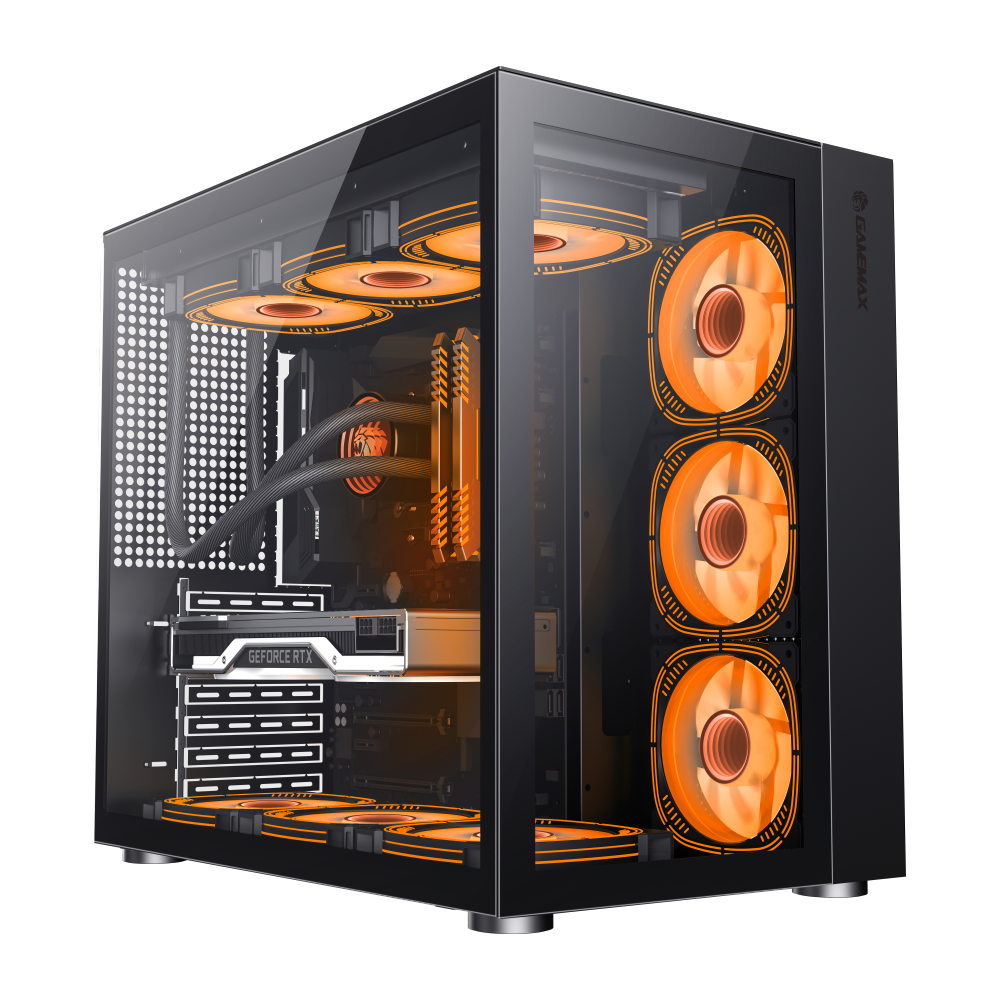
The Infinity BK represents the sweet spot for most gaming builds. Its modular design accommodates various configurations, letting you optimize for air cooling, water cooling, or a hybrid approach. The tempered glass construction and RGB-ready design create a professional appearance that works as well in an office as it does in a gaming room.

