
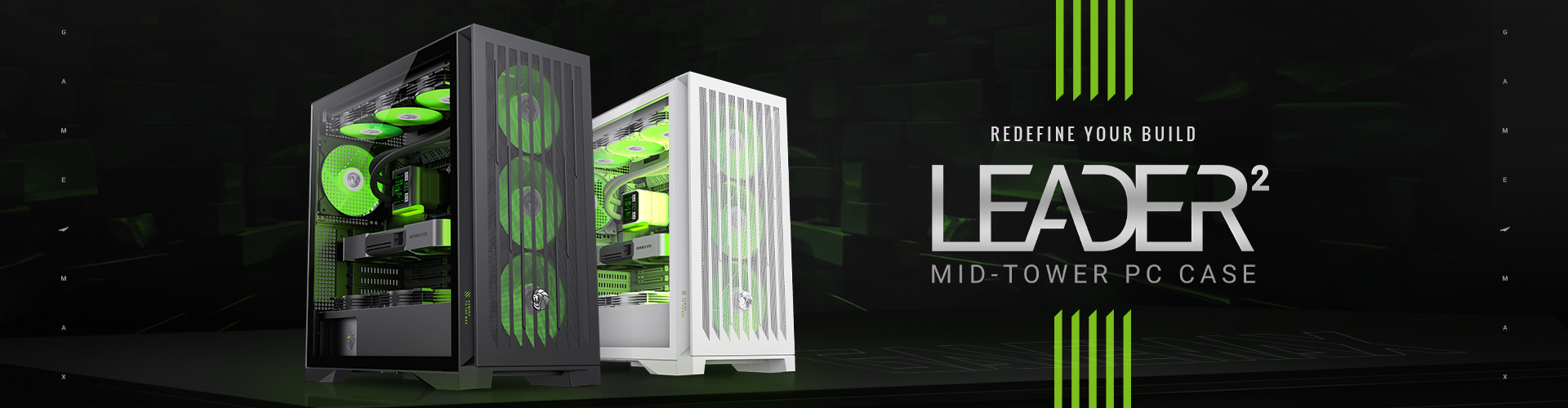
Choosing a full tower PC case in 2025 means navigating a market packed with options ranging from budget-friendly workhorses to premium showcase pieces. The right choice depends entirely on your build goals: extreme water cooling, multi-GPU workstation configurations, mass storage arrays, or simply the flexibility to accommodate any future upgrade path. This guide cuts through marketing claims to deliver the practical insights you need.
Space is the obvious distinction, but the implications extend far beyond desk footprint. A typical full tower offers 60-80 liters of internal volume compared to 40-55 liters for mid-tower cases. This extra space enables configurations that are genuinely impossible in smaller enclosures:
E-ATX and larger motherboard support comes standard with full towers, whereas mid-tower cases often only accommodate standard ATX. More critically, full towers provide eight or more expansion slots versus seven in mid-towers—essential for dual-GPU setups or configurations with multiple add-in cards.
Radiator capacity represents another fundamental difference. A mid-tower might support a 360mm radiator, but often only in a single position with thickness limitations. Full towers accommodate 360mm or larger radiators in multiple positions simultaneously, with room for thick radiators in push-pull fan configurations.
Motherboard Compatibility: Verify support for your target form factor. Most full towers handle E-ATX, but specific dimensions matter—measure your motherboard's width and compare against the case's motherboard tray clearance. Some "E-ATX" cases only accommodate boards up to 264mm wide, while true E-ATX support requires 305mm or more.
GPU Clearance and Mounting Options: Modern flagship graphics cards exceed 330mm in length. Quality full towers specify GPU clearance of 360mm or greater, accommodating even the longest cards with room for front-mounted radiators. Vertical GPU mounting support adds aesthetic options but requires case depth for the riser cable and card width clearance.
Cooling Potential: Beyond radiator size, evaluate fan mounting positions and airflow path. Mesh front panels significantly outperform solid glass for intake airflow. Cases offering both options let you prioritize temperatures or aesthetics based on preference. Check whether radiator mounts interfere with motherboard components—some designs prevent using top radiators with tall VRM heatsinks.
Based on extensive evaluation, these full tower cases deliver exceptional value across different use cases:
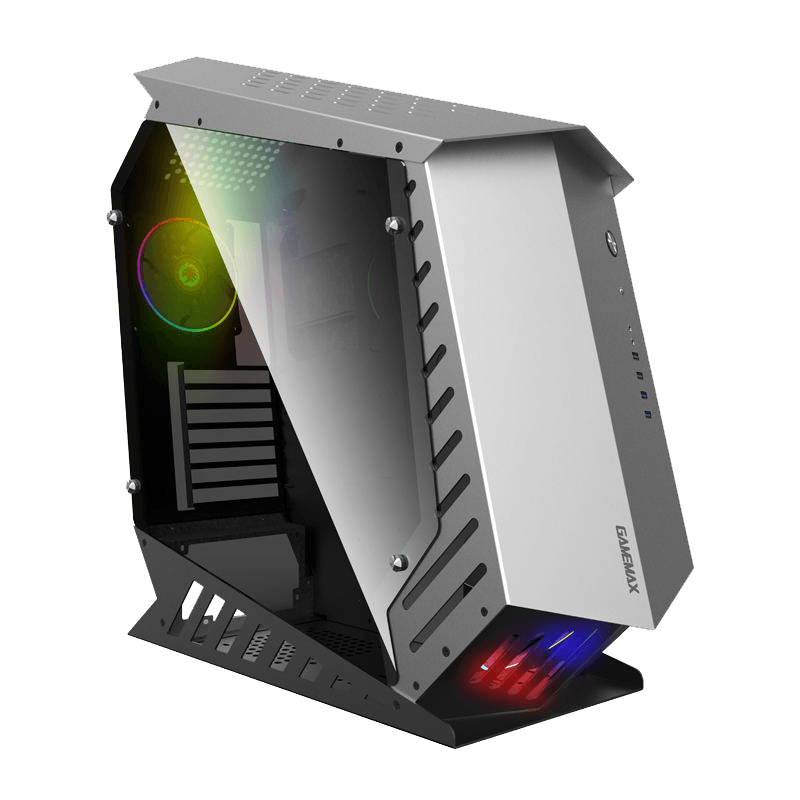
The AUTOBOT targets gamers seeking bold aesthetics without sacrificing functionality. The transformer-inspired design incorporates practical features including E-ATX support, USB-C front panel connectivity, and dedicated cable routing channels. GPU clearance extends beyond 400mm, accommodating any current graphics card with comfortable margin. The interior layout simplifies water cooling loop planning with multiple pump and reservoir mounting positions.
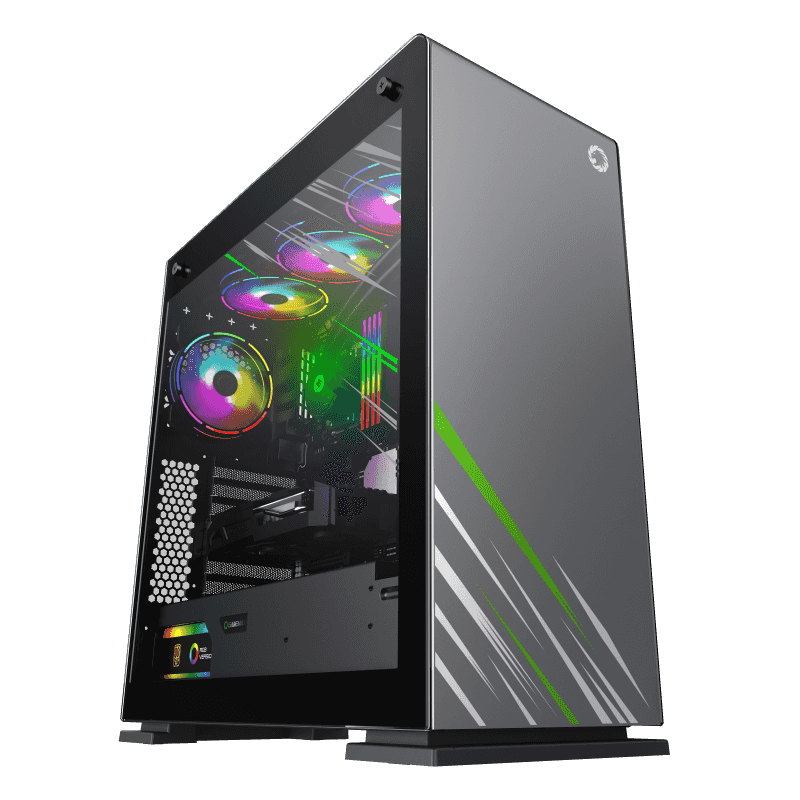
Professional builders and content creators appreciate the Vega Pro Grey's understated approach. The neutral grey finish suits office environments and professional workstations equally well. Inside, the modular drive bay system adapts to storage requirements, from multiple 3.5-inch HDD arrays to pure SSD configurations maximizing airflow. The tempered glass side panel showcases builds without overwhelming RGB lighting.
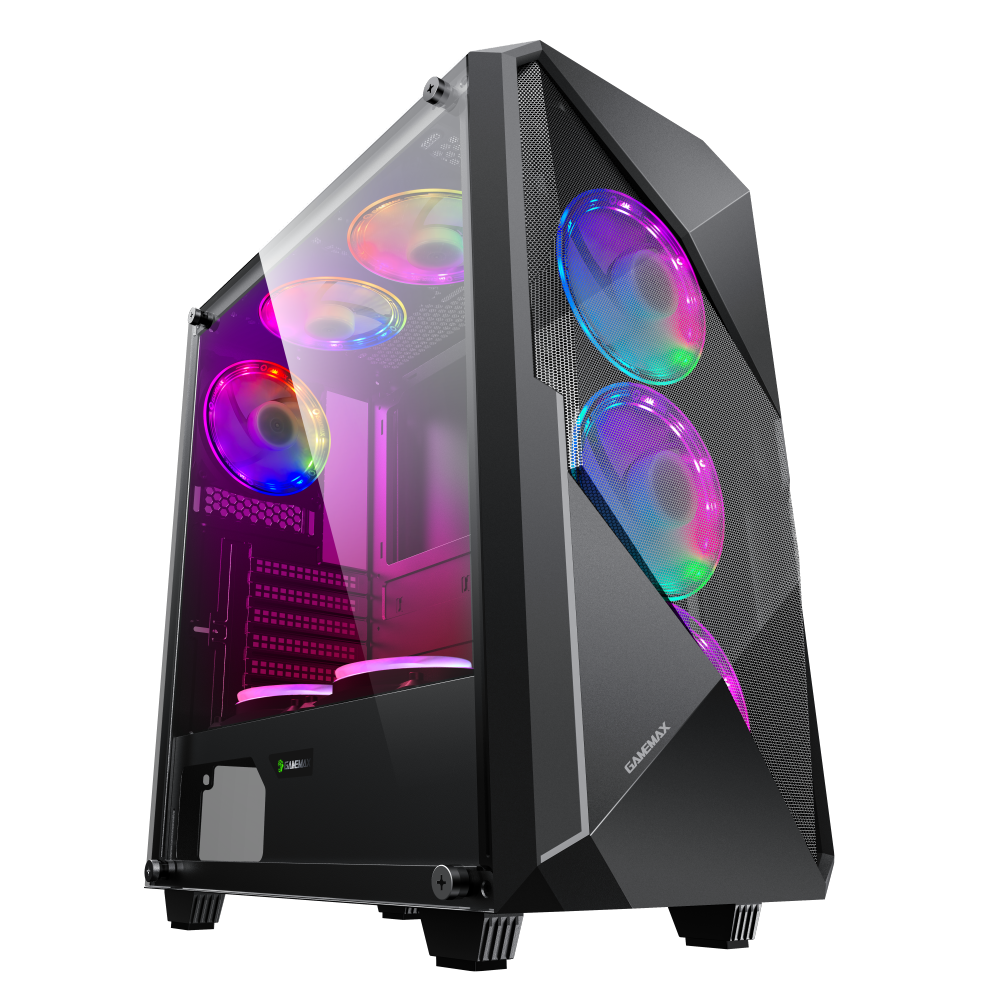
The Revolt balances gaming aesthetics with practical cooling design. Front panel mesh provides excellent intake airflow while maintaining visual appeal through integrated accent lighting. The case accommodates 360mm front and top radiators simultaneously, ideal for CPU and GPU cooling loops. Tool-free side panel access simplifies maintenance and component swapping during upgrades.
Measure your available space before committing to a full tower. These cases demand substantial desk or floor real estate, typically 550-600mm in height and 220-250mm in width. Allow clearance for front panel access and rear cable management—tight spaces compromise airflow and maintenance accessibility.
Weight becomes relevant for LAN party attendees or those who relocate systems frequently. A fully populated full tower with water cooling can exceed 25kg. Consider aluminum construction for weight reduction if portability matters, though expect higher prices compared to steel alternatives.
Power supply selection interacts with case choice. Full towers typically accommodate standard ATX PSUs, but some configurations benefit from extended-length power supplies with higher wattage ratings. Verify PSU clearance with your intended graphics card length—long GPUs can interfere with power supply placement in some layouts.
Full towers require deliberate fan configuration to realize their thermal potential. More fan positions don't automatically mean better cooling—airflow path determines effectiveness. The optimal configuration creates directed airflow from intake to exhaust without recirculation zones.
Front intake fans paired with rear and top exhaust establishes a clear path across the motherboard and graphics card. Bottom intake fans can feed the GPU directly but require elevated case placement for unobstructed airflow. Side fans offer additional intake or exhaust options but introduce complexity in airflow balance.
Positive pressure—more intake than exhaust capacity—prevents dust infiltration through unfiltered gaps. However, excessive positive pressure can reduce overall airflow efficiency. Target slight positive pressure with 10-20% more intake than exhaust capacity.
Full towers excel at storage capacity, but modern builds often require less than legacy systems. NVMe SSDs eliminate the need for drive cages entirely for many users. Consider removing unused drive cages to improve airflow and free interior space for larger radiators or custom water cooling components.
For NAS or media server builds, prioritize cases with hot-swap drive bays and vibration-dampened mounting. Drive noise becomes noticeable in quiet environments, and vibration from multiple spinning drives can resonate through the case structure.
The best full tower case for your build aligns with your specific requirements rather than generic popularity. Water cooling enthusiasts should prioritize radiator capacity and loop planning features. Workstation builders need expansion slot count and drive bay flexibility. Gaming showcase builds benefit from aesthetic options and RGB integration.
Research thoroughly, read actual user build logs, and verify manufacturer specifications against real-world measurements. A quality full tower serves through multiple rebuilds—choose one that supports both current needs and future ambitions.

