
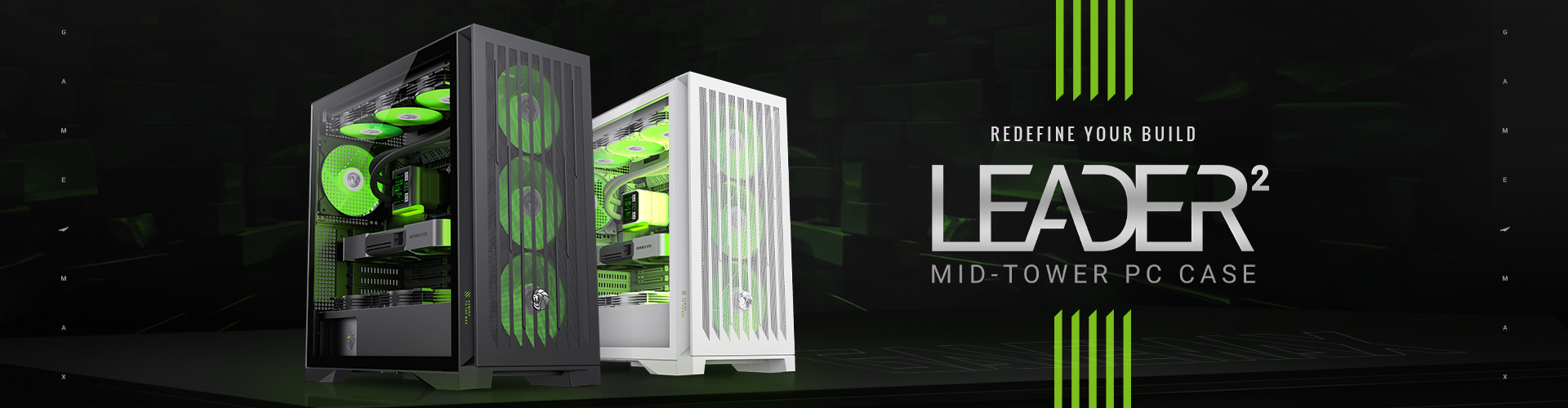
The gaming hardware landscape in 2025 demands cases capable of housing increasingly powerful components. Modern graphics cards like the RTX 5080 and 5090 push thermal limits while requiring substantial physical clearance. High-wattage power supplies, multiple NVMe drives, and advanced cooling solutions need enclosures designed for flexibility. This guide examines the top full tower options for builders who refuse to compromise on performance or expansion capability.
Contemporary gaming builds generate significant heat concentrated in a small footprint. A flagship GPU drawing 450W combined with a 250W CPU creates thermal challenges that smaller cases struggle to address. Full towers provide the internal volume to separate heat sources and maintain adequate airflow across each component independently.
Beyond thermal management, full towers accommodate the hardware configurations serious gamers demand. Multiple monitor setups often require additional capture cards or secondary GPUs for streaming. High-fidelity audio interfaces, external storage enclosures, and specialized controllers all need PCIe slots or drive bays that smaller cases cannot provide.
Thermal Performance: We prioritize cases with proven airflow characteristics. Mesh front panels, multiple fan mount positions, and clearance for thick radiators in push-pull configurations separate exceptional cases from merely adequate ones. Manufacturer specifications matter less than real-world testing by independent reviewers.
Build Quality: Premium materials justify premium prices. We examine panel thickness, glass quality, and fitment precision. Cases that flex when lifted or have uneven panel gaps fail to meet expectations for the price point.
Build Experience: Thoughtful cable routing, tool-free mechanisms, and clear documentation indicate design investment. Cases that fight builders during assembly suggest corner-cutting in less visible areas as well.
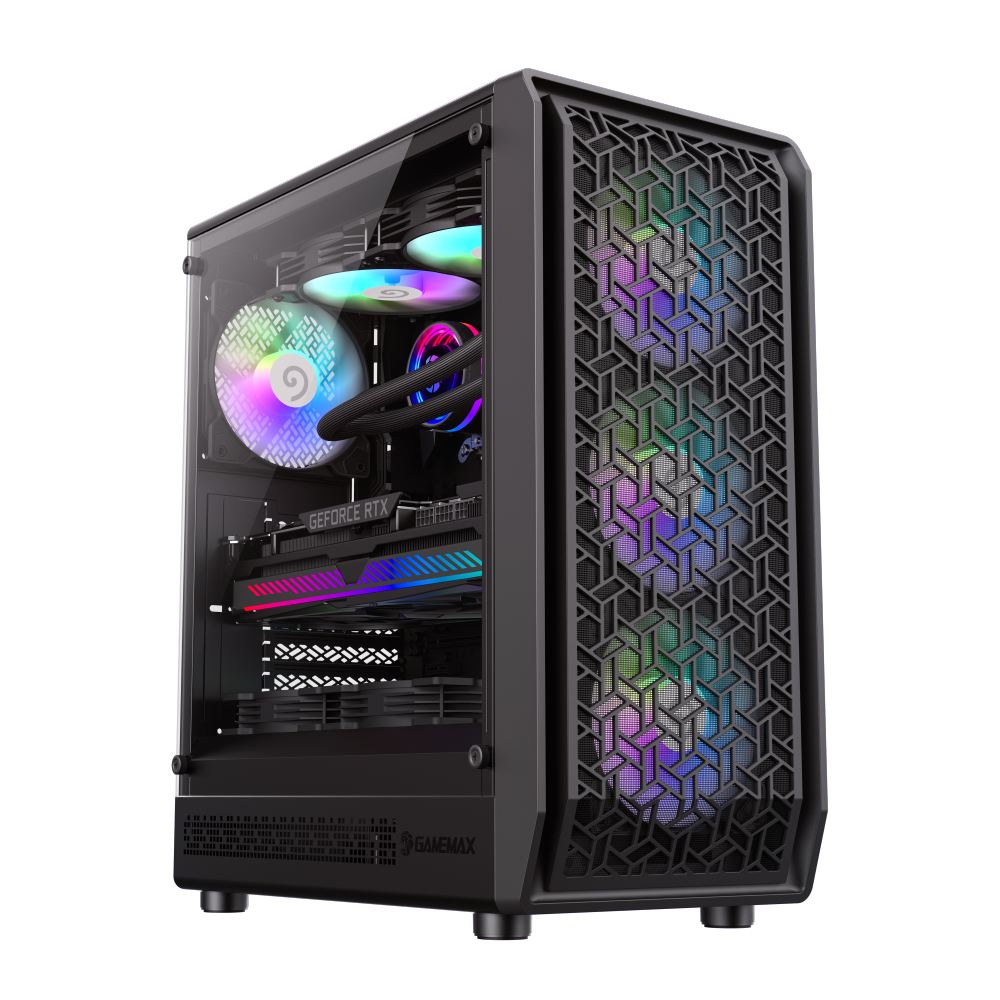
Water cooling enthusiasts will find the Forge AB exceptionally well-suited to custom loop configurations. The front panel accommodates a thick 420mm radiator, while top mounting handles 360mm configurations without interfering with motherboard VRM heatsinks. The open interior layout simplifies loop planning, with multiple fill port positions enabling convenient maintenance access. Build quality impresses with 0.8mm SPCC steel construction and 4mm tempered glass panels.
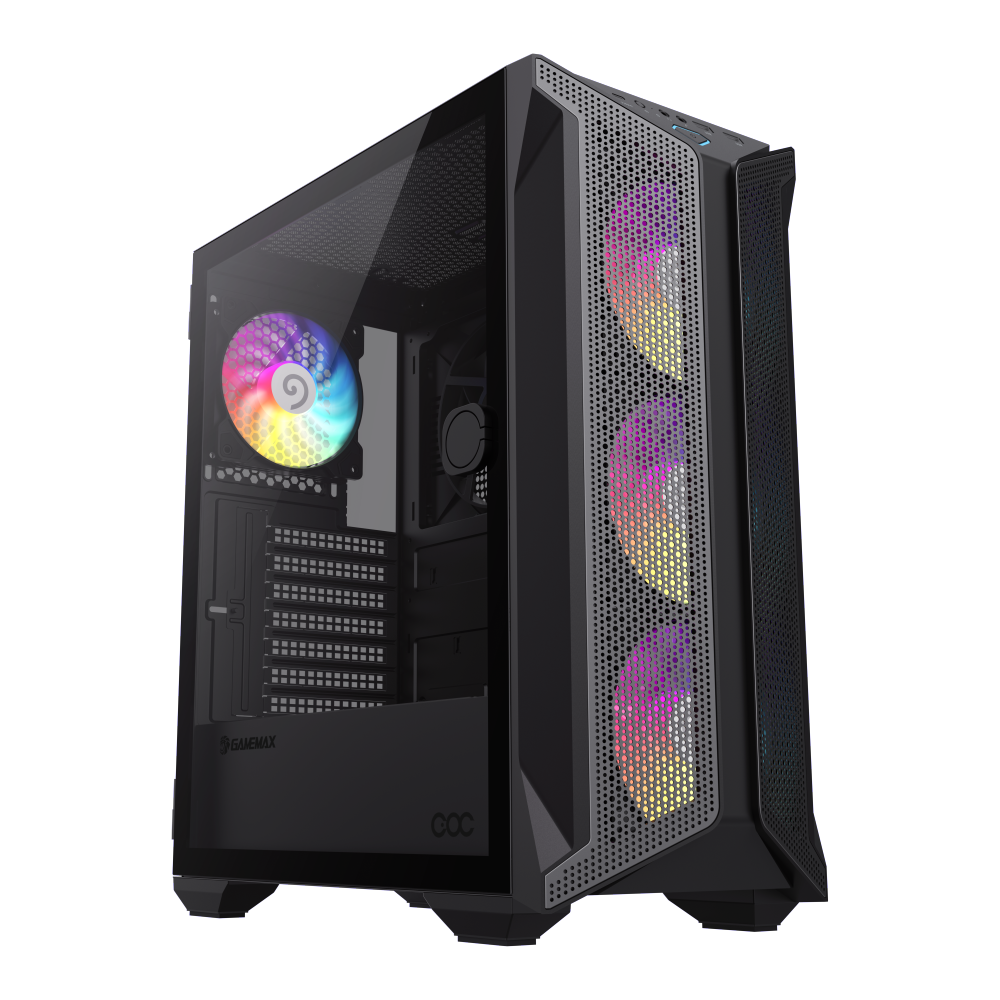
The Brufen COC targets gamers seeking bold aesthetics without sacrificing functionality. RGB lighting integrates seamlessly with the chassis design, avoiding the tacked-on appearance of lesser cases. Inside, the layout supports extensive water cooling with dedicated pump and reservoir mounting positions. GPU clearance exceeds 400mm, accommodating any current graphics card with room for vertical mounting brackets if desired.
Modern flagship graphics cards present the primary compatibility challenge. The RTX 5090 and similar cards approach 350mm in length, with some custom models exceeding 370mm. Full tower cases must provide this clearance while accounting for front-mounted radiators and their fans.
Vertical GPU mounting has gained popularity for showcasing graphics cards through side windows. This configuration requires additional depth and a quality riser cable. Not all cases support vertical mounting natively—verify compatibility before purchase if this feature matters to you.
Custom water cooling has become mainstream among enthusiast gamers. Full tower cases must support multiple large radiators simultaneously. The minimum viable configuration includes 360mm front and top mounts, with premium options adding 240mm or 360mm bottom positions.
Thickness matters as much as surface area. Thin 27mm radiators restrict performance compared to 30mm+ alternatives. Cases that accommodate thick radiators in push-pull fan configurations deliver substantially better cooling. Check actual build logs to verify manufacturer claims—specifications often omit interference with motherboard components or drive cages.
Effective cooling requires more than fan mount positions. Airflow path determines thermal performance. The optimal configuration creates directed movement from intake to exhaust without recirculation or dead zones.
Front intake fans paired with rear and top exhaust establish a clear path across the motherboard and GPU. Bottom intake fans can feed graphics cards directly but require case elevation for unobstructed airflow. Side fans offer additional options but introduce complexity in pressure balance.
Positive pressure—more intake than exhaust—prevents dust infiltration through unfiltered gaps. This configuration keeps cases cleaner over time, reducing maintenance frequency. Quality cases include filters on all intake positions; budget options often omit them to save cost.
Full towers provide more space behind the motherboard tray for cable routing, but this advantage disappears quickly with dense builds. Multiple fans, RGB controllers, and extensive storage configurations generate substantial cable bulk. Look for cases with 25mm or greater cable management depth.
Modular power supplies reduce cable clutter significantly. Semi-modular designs keep essential cables permanent while allowing customization for peripheral power. This flexibility proves valuable when upgrading components or reconfiguring storage layouts.
Gaming builds increasingly serve as room centerpieces, visible design statements as much as functional hardware. Tempered glass panels, integrated RGB, and distinctive silhouettes matter to builders showcasing their systems.
Tempered glass quality varies significantly. Premium cases use 4-5mm panels with polished edges; budget options may use thinner glass or acrylic substitutes that scratch easily. Verify panel thickness before purchase—glass replacement adds unexpected cost to builds.
The best full tower for your gaming build depends on your specific priorities. Water cooling enthusiasts should prioritize radiator capacity and loop planning features. RGB-focused builders need integrated lighting and glass visibility. Competitive gamers benefit from thermal performance and component accessibility for frequent upgrades. Match your case choice to your actual requirements rather than generic recommendations.

