
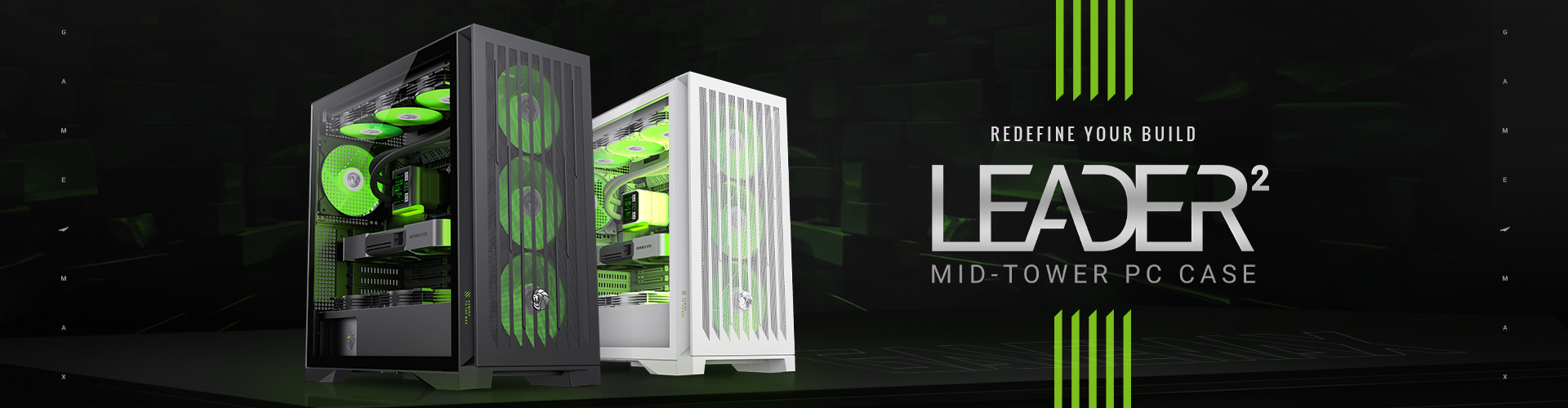
The pursuit of silent computing has driven remarkable innovation in PC case design. What began as a niche concern for recording studios and home theaters has become a mainstream priority, with gamers and professionals alike seeking systems that deliver flagship performance without the accompanying acoustic footprint.
Sound-dampened panels form the first line of defense against noise pollution. These panels typically incorporate dense foam or bitumen layers bonded to the steel chassis, absorbing fan noise and preventing it from escaping the case. The most effective implementations cover both side panels, the top panel, and sometimes the front door, creating a comprehensive acoustic enclosure around your components.
Fan selection and control dramatically impact overall system noise. High-quality PWM fans with fluid dynamic or magnetic levitation bearings operate at lower decibel levels than sleeve-bearing alternatives, particularly at low RPMs. Cases designed for quiet operation often include fan controllers that let you set aggressive temperature-to-speed curves, keeping fans barely audible during light loads while allowing maximum cooling when needed.
Airflow design in silent cases presents an interesting engineering challenge. Sound dampening materials inherently restrict airflow, so manufacturers must balance acoustic isolation with thermal performance. The best quiet cases use sealed front panels with side intake vents, bottom-mounted PSU intakes, and carefully positioned exhaust points that maintain cooling efficiency while minimizing noise escape paths.
Vibration isolation prevents mechanical noise from transferring to your desk or floor. Hard drive mounts with silicone grommets, PSU mounting pads, and fan mounts with anti-vibration fan mounts all contribute to a quieter system. Some premium cases even incorporate mass-loaded panels that dampen structural resonance across the entire chassis.
Dust filtration maintains both acoustic and thermal performance over time. Clogged filters force fans to work harder, increasing noise while reducing cooling effectiveness. Cases with easily accessible, washable filters encourage regular maintenance that keeps your silent build running quietly for years.
Component selection complements your case choice in the quest for silence. Large CPU coolers with slow-spinning fans, semi-passive power supplies that turn off their fans at low loads, and graphics cards with zero-RPM idle modes all contribute to a system that remains inaudible during everyday tasks.
Thermal management strategy differs in quiet builds. Rather than relying on high airflow rates, silent systems often use larger radiators and heatsinks that can dissipate heat with minimal airflow. Cases supporting 240mm or 280mm AIO coolers on the front panel let you run fans at lower speeds while maintaining adequate CPU temperatures.
Room placement affects perceived noise levels. Cases positioned on carpeted floors or soft surfaces transmit less vibration than those on hard desks. Consider cases with solid bottom panels rather than ventilated ones if you plan to place your system on carpet, as bottom intakes can become obstructed and noisy.
The following cases exemplify thoughtful quiet design, incorporating sound-dampening materials and airflow optimizations that keep your system whisper-quiet even under demanding workloads.

Full tower gaming case with noise-reducing materials, supports EATX/ATX/M-ATX, 420mm GPU support, dust protection with t...
This full tower case specifically targets silent operation with integrated noise-reducing materials throughout the chassis. Supporting E-ATX motherboards and GPUs up to 420mm, it accommodates high-end hardware without acoustic compromise. The dust protection system with top and bottom filters maintains clean airflow paths, while the spacious interior allows for large, slow-spinning fans that move air efficiently at low RPMs.

Quiet system chassis, micro-ATX, sound dampening on both side panels, 340mm GPU support....
Designed as a quiet system chassis for micro-ATX builds, this case features sound dampening on both side panels to contain fan and component noise. The 340mm GPU support accommodates most graphics cards, while the compact form factor suits desktop placements where space is limited. The dual dampened panels create an effective acoustic barrier without requiring the bulk of a full tower enclosure.
When building for silence, consider your ambient environment. A system that seems quiet in a noisy office may become noticeable in a silent bedroom at night. Target sub-25dB(A) operation at idle for truly unobtrusive computing, which requires careful coordination between case design, fan selection, and component thermal management.
Fan curve tuning unlocks the full potential of quiet cases. Most modern motherboards offer BIOS-based fan control that lets you create custom temperature-to-speed mappings. Start with conservative curves that prioritize silence, then stress test your system to ensure temperatures remain within safe limits under sustained loads.
Ultimately, the quest for silence is a holistic endeavor. Your case provides the foundation, but component selection, fan control, and regular maintenance all play essential roles. The cases highlighted above offer an excellent starting point for builds where acoustic performance matters as much as raw computing power.

