
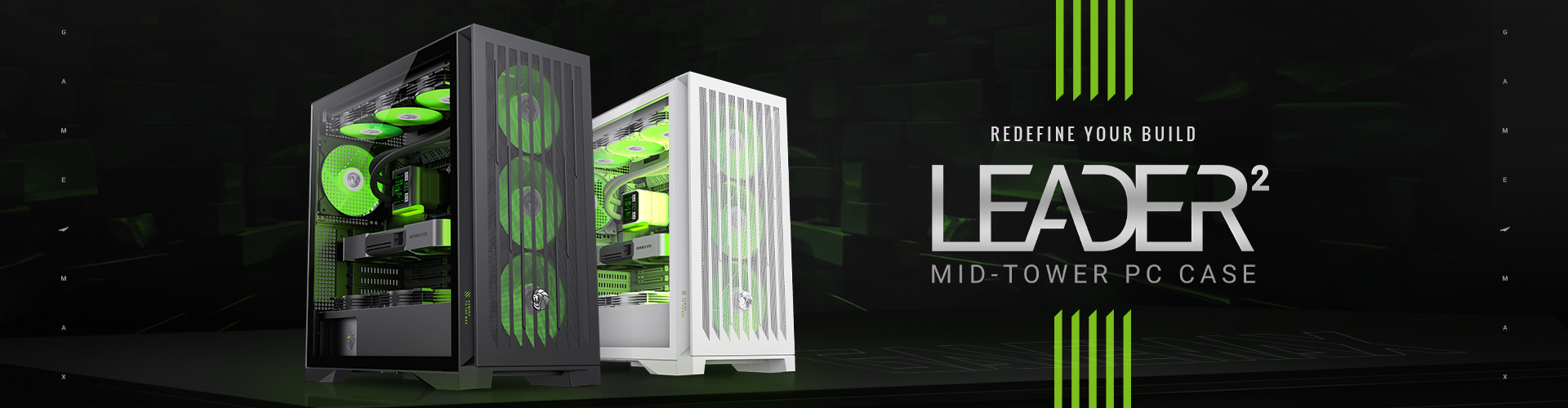
Selecting the right full tower PC case in 2025 means balancing thermal performance, build flexibility, aesthetics, and long-term upgrade potential. The full tower form factor has become increasingly relevant as graphics cards grow larger, cooling requirements escalate, and builders demand more interior space for custom water cooling loops and high-capacity storage arrays. This guide identifies five standout full tower cases that excel across these criteria, each offering a distinct combination of features that cater to different builder priorities.
Before diving into specific recommendations, it helps to understand what separates an excellent full tower case from a merely adequate one. The best cases in this category share several critical attributes: robust construction that supports heavy components without flexing, multiple radiator mounting positions for liquid cooling versatility, generous cable management space behind the motherboard tray, tool-free panel removal for easy access, and thoughtful dust filtration that protects components over years of use. These features sound straightforward, but execution varies dramatically between manufacturers, and the difference becomes apparent the moment you start building.
Thermal design philosophy has shifted significantly in 2025. The previous trend toward sealed glass front panels, which prioritized aesthetics over airflow, has given way to a more balanced approach that incorporates mesh and perforated panels alongside tempered glass. The best full tower cases now offer the visual appeal of glass with the thermal performance of mesh, either through hybrid front panel designs or side-panel ventilation that supplements front intake. This evolution matters because a case that looks stunning but cooks your components is ultimately a poor investment.
GPU clearance has become the single most important dimension in modern case selection. The RTX 4090 measures 336mm in its reference design, and custom AIB models extend well beyond that. Full tower cases typically advertise GPU support of 400mm or more, but builders must verify this measurement accounts for front-mounted fans and radiators. A case claiming 420mm GPU support might deliver only 380mm once a 360mm radiator is installed at the front. Always check the manufacturer's fine print regarding GPU clearance with various cooling configurations.
Storage flexibility rounds out the core considerations. While NVMe drives have reduced the need for numerous 3.5-inch bays, many builders still require at least two hard drive positions for mass storage, plus multiple 2.5-inch SSD mounts for operating systems and frequently accessed games. The best full tower cases provide modular drive cages that can be repositioned or removed entirely to maximize interior space for larger components or additional cooling hardware.
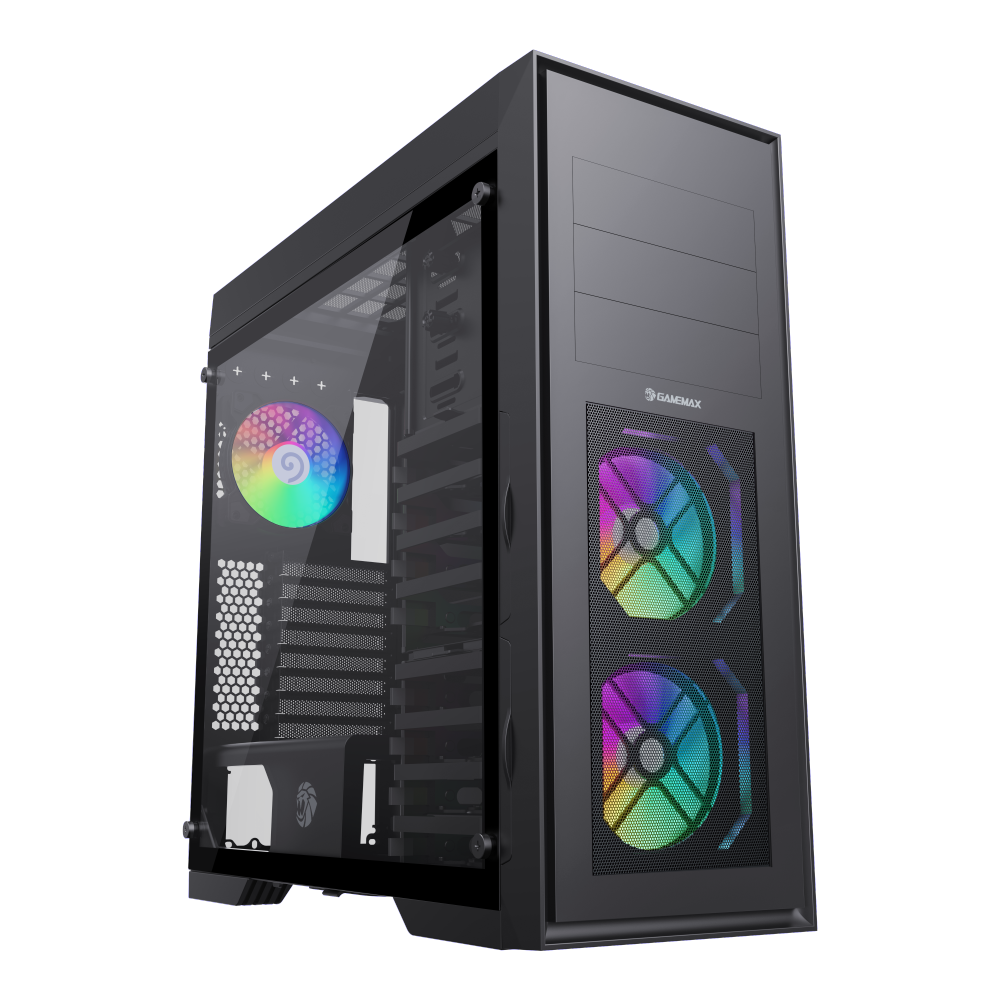
Full tower gaming case supporting EATX/ATX/M-ATX/ITX, 420mm GPU, 170mm CPU cooler, 8 HDD bays, 3 external 5.25 bays, ARGB PWM fan controller included.
The MASTER 2 earns its name through sheer capability. This full tower chassis supports E-ATX, ATX, M-ATX, and ITX motherboards, making it compatible with virtually any build configuration. Graphics cards up to 420mm in length fit comfortably, even with front fans installed. Eight HDD bays and three external 5.25-inch drive bays provide exceptional storage expansion for builders who need large-capacity arrays. The included ARGB PWM fan controller simplifies fan and lighting management, supporting up to eight connected devices through a single hub. CPU coolers up to 170mm tall are accommodated, covering even the largest air coolers on the market. The sturdy construction and thoughtful internal layout make the MASTER 2 an excellent foundation for high-end builds that prioritize functionality and expandability.

Full tower aluminum gaming chassis with CNC processed body, dual tempered glass panels, 4xUSB ports, 400mm VGA support, E-ATX/ATX/M-ATX/ITX compatible.
The AutoBot represents the premium end of the full tower spectrum, featuring a CNC-processed aluminum body that sets it apart from standard steel chassis. Dual tempered glass panels showcase internal components from both sides, while four USB ports on the front panel provide extensive connectivity for peripherals and external storage. Graphics cards up to 400mm are supported, and the E-ATX/ATX/M-ATX/ITX motherboard compatibility ensures this case works with any platform. The aluminum construction reduces overall weight compared to all-steel alternatives while maintaining structural rigidity, making the AutoBot ideal for builders who want a showcase system that doubles as a functional workstation.
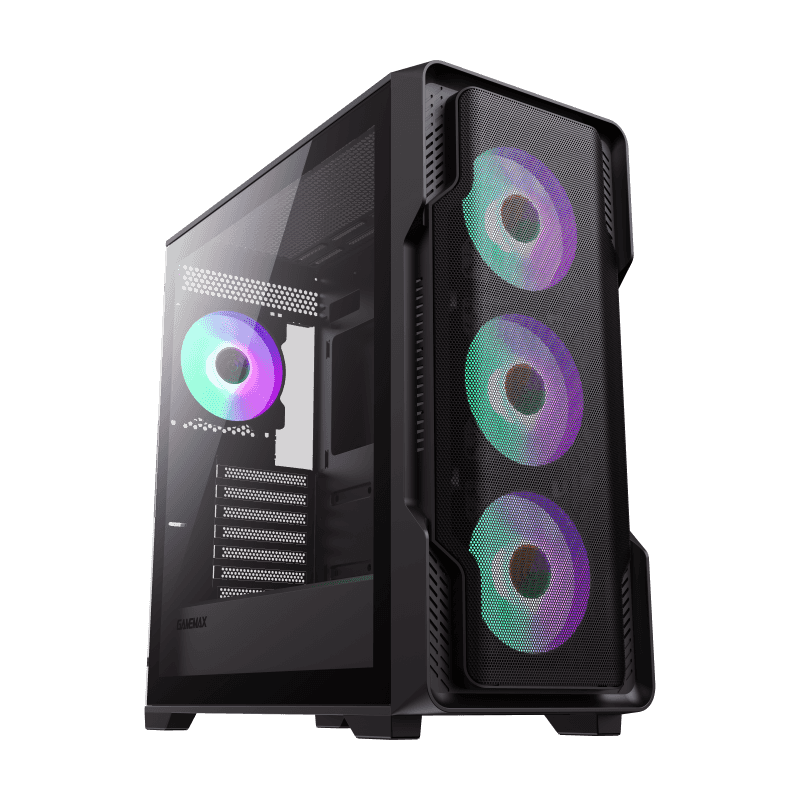
GameMax Siege E-ATX Mid-Tower Gaming Case, Mesh front panel Design For Optimal Airflow,1x Tempered glass side panel, Pre-installed 4x ARGB Fans, 360 liquid CPU cooler support on to
The Siege BK delivers outstanding value by combining excellent airflow design with comprehensive liquid cooling support at a competitive price point. Its mesh front panel provides unrestricted intake airflow, while pre-installed ARGB fans offer immediate visual impact without additional purchases. The case supports 360mm radiators on both the front and top panels, enabling dual-radiator configurations for ambitious liquid cooling setups. E-ATX motherboard support ensures compatibility with high-end workstation boards, and GPU clearance up to 410mm accommodates the largest graphics cards available. The built-in ARGB controller manages up to eight fans, reducing cable clutter and simplifying the build process.
When choosing among these options, consider your primary build goals. For maximum storage and expansion, the MASTER 2 with its eight drive bays and 420mm GPU clearance is unmatched. For a premium showcase build, the AutoBot's aluminum construction and dual glass panels create a stunning visual presentation. For thermal performance on a reasonable budget, the Siege BK's mesh front panel and pre-installed fans deliver excellent results without additional investment.
Whichever case you select, invest time in proper cable management during assembly. Full tower cases provide ample space behind the motherboard tray for routing cables, but this advantage only materializes if you use it. Route each cable to its destination using the shortest path, secure cables with the provided tie-down points, and use the grommeted pass-through holes near critical connector locations. Clean cable management improves airflow, reduces dust accumulation, and makes future upgrades significantly easier. A well-built full tower system should serve you reliably for years, adapting to new hardware and cooling solutions as your needs evolve.

