
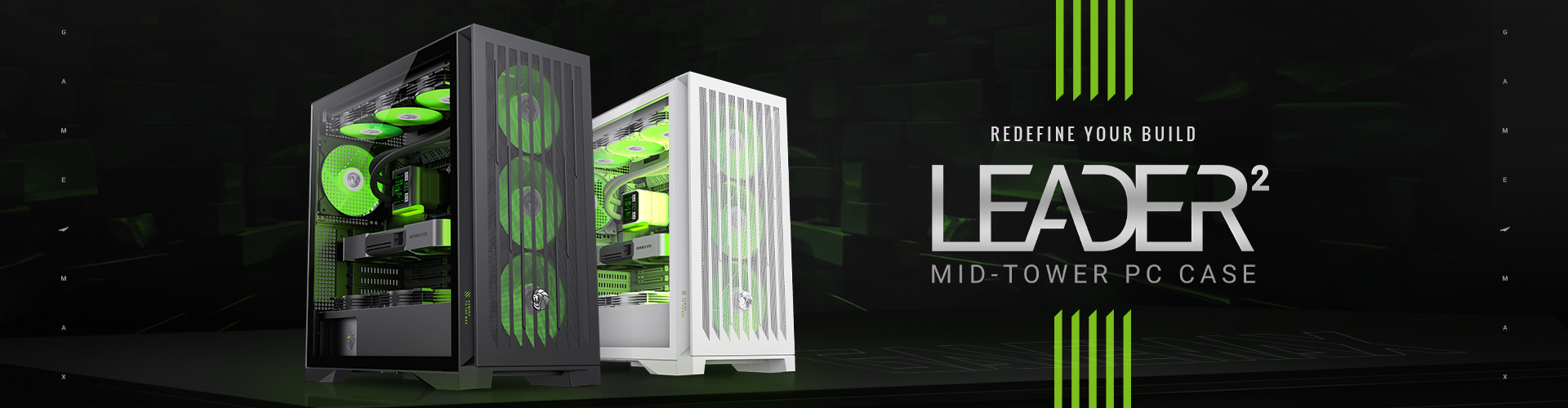
The NVIDIA RTX 4080 and RTX 4090 represent the pinnacle of consumer graphics performance, but their physical dimensions pose a genuine challenge for PC builders. The RTX 4090 Founders Edition measures 336mm in length, and many custom AIB models from ASUS, MSI, and Gigabyte stretch well beyond 350mm. The RTX 4080 is slightly more compact but still demands substantial clearance. These cards also draw significant power, up to 450W for the 4090 and 320W for the 4080, generating heat that requires robust case airflow to manage effectively. A full tower PC case provides the interior volume, GPU clearance, and thermal capacity needed to house these flagship GPUs without compromise.
GPU length is the most obvious dimension to verify, but height and thickness matter just as much. Triple-slot and quad-slot cooler designs on high-end RTX 4080 and 4090 models extend significantly toward the side panel, and sag under gravity is a real concern for cards weighing over 2 kilograms. Full tower cases typically provide 160mm or more of CPU cooler clearance, which translates to ample vertical space above the GPU. Many also include GPU support brackets or anti-sag posts that prevent the card from stressing the PCIe slot over time.
Power supply requirements for RTX 4080 and 4090 builds add another layer of complexity. NVIDIA recommends a minimum 750W PSU for the 4080 and 850W for the 4090, but reputable system builders typically specify 1000W or higher to accommodate transient power spikes that can exceed the rated TDP by 50 percent or more. Full tower cases support these larger power supplies with extended PSU cages and bottom-mounted designs that isolate the PSU thermally from the GPU. The additional space also accommodates the thick 12VHPWR cables that these high-wattage PSUs require.
Thermal management for 400W+ GPUs demands serious airflow strategy. The hot air exhausted by the RTX 4090's massive cooler must be evacuated from the case quickly, or it recirculates and raises the ambient temperature inside the chassis, which degrades CPU and motherboard VRM cooling as well. Full tower cases with mesh front panels and multiple exhaust positions create a directed airflow path: cool air enters through the front, passes over the GPU and CPU, and exits through the top and rear. This front-to-back flow pattern is the most effective configuration for high-TDP GPU builds.
PCIe slot spacing becomes relevant when considering future SLI or multi-GPU configurations, though these are rare in 2025. More practically, the distance between the GPU and the case floor affects whether the card's fans can draw in fresh air. Full tower cases position the GPU higher off the bottom panel than mid-tower alternatives, ensuring the card's intake fans receive unrestricted airflow even when the case sits on carpet.
| Specification | RTX 4080 | RTX 4090 |
|---|---|---|
| TDP | 320W | 450W |
| Reference Length | 336mm | 336mm |
| AIB Max Length | ~340mm | ~360mm |
| Slot Width | 3-3.5 slots | 3.5-4 slots |
| Recommended PSU | 750W+ | 850W+ |
| Connector | 16-pin 12VHPWR | 16-pin 12VHPWR |
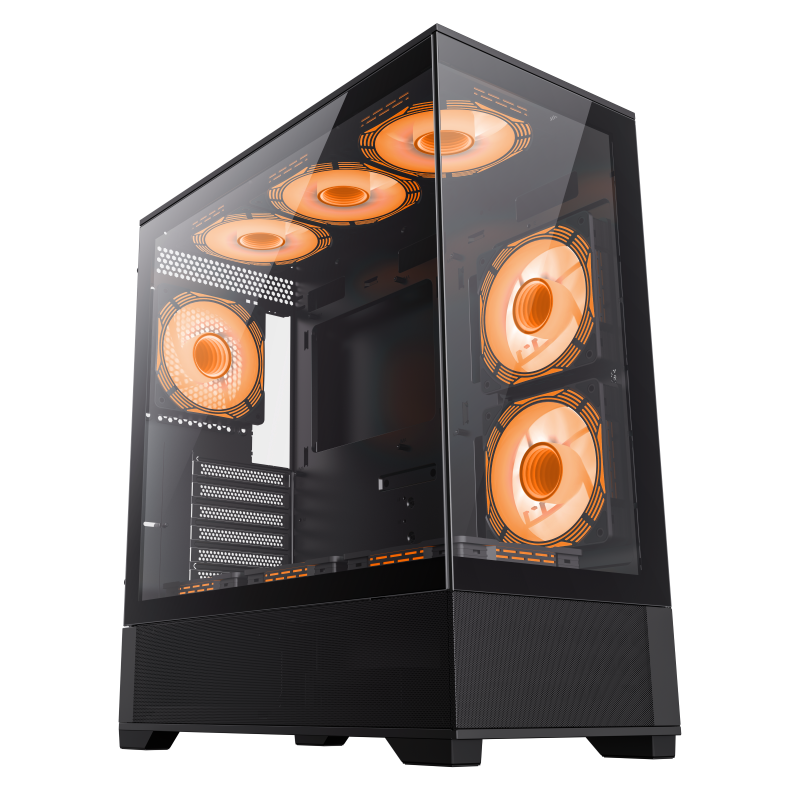
Vista Mid-tower PC ATX case - Aesthetic looks, airflow focus, easy installation, and ample room for large GPU and cable management • Good build quality computer case made of heavy-
The Vista AB is built for builders who refuse to compromise on GPU compatibility. With support for graphics cards up to 410mm in length, it accommodates even the largest custom RTX 4090 models with room to spare. The tempered glass and mesh front panel design provides a balance of visual appeal and airflow, allowing the GPU's fans to draw in fresh air efficiently while showcasing the card through the glass. E-ATX motherboard support ensures compatibility with high-end platforms, and the ARGB hub controller synchronizes lighting across the case fans and any additional components. The bottom-mounted PSU design with a dedicated shroud isolates the power supply from GPU heat, while dual tempered glass panels provide a clear view of your flagship graphics card from either side of the system.
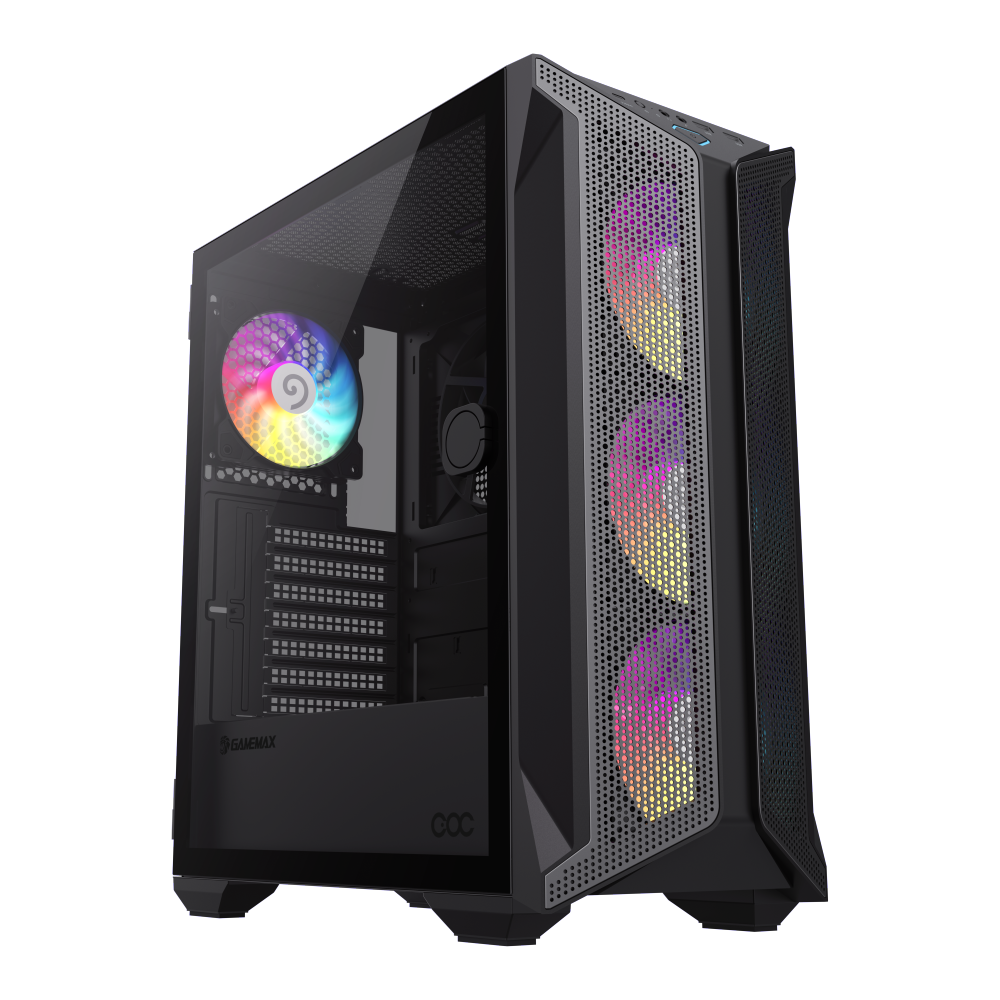
Brufen COC Mid Tower Gaming PC Case with ARGB Fans, Powerful Cooling, and Water Cooling Support. • Hinged Glass Panel: Easy-open 3mm tempered glass side panel for a stylish, tool-f
The Brufen COC brings patented Cooling and Overclocking architecture to the full tower category, specifically designed to handle the thermal demands of flagship GPUs. The diamond-cut front panel with mesh ventilation channels air directly toward the graphics card, ensuring the RTX 4090's triple-slot cooler receives a steady supply of cool intake air. The case supports 360mm radiators on both front and top panels, enabling liquid cooling configurations for builders who want to water-cool their GPU for maximum performance and reduced noise. GPU clearance accommodates cards well beyond 400mm, and the reinforced PCIe slot area provides additional structural support for heavy triple-slot and quad-slot graphics cards. The hinged tempered glass side panel offers tool-free access for GPU installation and maintenance, which is particularly valuable given the size and weight of RTX 4080 and 4090 cards.
When installing a large GPU in a full tower case, use the included anti-sag bracket or install a third-party GPU support stand. The weight of an RTX 4090 can exceed 2.5 kilograms, and over time this weight stresses the PCIe slot and can cause contact issues. Position the support bracket under the far end of the card, closest to the front panel, where the card's weight creates the most leverage on the slot.
Cable management deserves special attention in high-wattage GPU builds. The 12VHPWR cable that powers the RTX 4080 and 4090 is thick and relatively inflexible, requiring careful routing to avoid putting strain on the GPU's power connector. Route this cable through the nearest grommeted hole in the motherboard tray and secure it with a cable tie to prevent it from pulling at an angle. The 12VHPWR connector has been known to melt when not fully seated, so ensure the connector is pushed completely into the GPU's power port and that there is no lateral tension on the cable.
Finally, monitor your GPU temperatures during the first few gaming sessions after assembly. If the RTX 4090's hotspot temperature consistently exceeds 90 degrees Celsius, or if the memory junction temperature runs above 100 degrees, your case airflow likely needs optimization. Adding a front intake fan directly aligned with the GPU intake, or installing a bottom intake fan that pushes fresh air upward toward the card, can reduce temperatures by 5-10 degrees. Full tower cases provide the fan mounting positions to implement these optimizations easily, which is precisely why they remain the preferred choice for flagship GPU builds.

